Retired Army Maj. Gen. John Singlaub, a decorated veteran of World War II, Korea, and Vietnam, and legendary special operator, died Jan. 29 at the age of 100.
Singlaub, a native of Independence, California, commissioned as a U.S Army infantry 2nd lieutenant. Following his graduation from the University of California Los Angeles in 1943. according to the Sandboxx military news website, Singlaub was quickly recruited by the Office of Strategic Services, the precursor to both the Central Intelligence Agency and U.S. Army Special Forces.
Will Irwin, a retired Army lieutenant colonel and author of “The Jedburghs: The Secret History of the Allied Special Forces, France 1944,” told Military Times that Singlaub parachuted behind German lines in Southern France as part of the OSS’ “Project Jedburgh.”
According to U.S. Army Special Operations Command, Singlaub was one of only 83 Americans selected for the program, along with 90 British, 103 French, 5 Belgian, and 5 Dutch operatives. Jedburgh operatives, working in teams no larger than four men or women, helped organize French resistance while also providing intelligence on and harassment of German lines of communication. Ultimately, Singlaub’s efforts helped Allied forces break out of Normandy during the summer of 1944.
Following the surrender of Germany in May 1945, Singlaub was transferred to the Pacific theater to continue OSS operations. On Aug. 27, 1945, Singlaub parachuted with an eight-man team onto the Chinese island of Hainan, where they rescued hundreds of Dutch and Australian prisoners of war. Following the surrender of Japan, Singlaub remained in the Pacific, continuing to report on the Chinese civil war.
In 1951, Singlaub, now a major, was again off to war in Korea. According to the Army Special Operations Forces Command Historian, From 1951-52, Singlaub served as the Deputy Commander and Chief of Staff of the Joint Advisory Commission, Korea. “JACK,” as it was known, represented the first time the CIA formed its first Clandestine Services field mission. In addition to recovering downed pilots, the shadowy organization attempted to replicate aspects of the OSS mission during the Second World War. After his tour with JACK, Singlaub commanded a conventional infantry battalion in Korea, where he was awarded the Silver Star for valor.
According to Sandboxx, in 1966, Singlaub once again returned to leading unconventional warfighters when he was selected to lead the Military Assistance Command Vietnam-Studies and Observation Group.
Commonly known as MACV-SOG or simply “SOG,” Singlaub was tasked with leading an organization comprised of special operators from all military branches as they fought North Vietnamese communist guerillas in both Vietnam and neighboring countries. A significant target of SOG was the Ho Chi Minh trail. This communist supply line existed mainly outside of Vietnam, thus technically off-limits according to the rules of engagement of the day. “As Chief SOG Jack fought the bureaucracy to get close air support for SOG teams. He fought with the State Dept. to have our teams better armed in Cambodia in the early days of the operation,” John Stryker Meyer, a SOG veteran, and Green Beret, told Sandboxx News. “He always cared deeply about the men who served under him.”
Irwin echoed Meyer’s comments about Singlaub’s dedication to those he served alongside. According to Irwin, in 1988, he received a call from Singlaub regarding Singlaub’s South Vietnamese counterpart from his time in SOG. After the war, the former South Vietnamese officer had settled in Los Angeles, California, and had lost his house to a fire. “[The RVN Officer] had lost everything,” Irwin told Military Times. “And one thing he lost that he cherished was his yearbook from the Command General Staff College.” Irwin found a replacement for Singlaub, and the gesture was symbolic of the kind of person, and leader Singlaub was. “It just struck me at the time how much he valued that relationship,” Irwin said.
Singlaub’s last command in the Army was as chief of staff of U.S. Army forces in South Korea. In 1977 he was relieved from this position after publicly criticizing then-President Jimmy Carter’s proposal to withdraw U.S. troops from Korea.
Over his career Singlaub received two Distinguished Service Medals, the Silver Star, two Legion of Merit, two Bronze Stars, the Soldier’s Medal, two Purple Hearts, two Bronze Star Medals, the Air Medal, the Combat Infantryman’s Badge, the Master Parachutist Badge and the Army Aviation Badge.
In 2006, Singlaub was inducted into the U.S. Army Ranger Hall of Fame, and in 2007 he was made a Distinguished Member of the Special Forces Regiment. In 2016, the U.S. Army Special Operations Command (USASOC) established the MG John K. Singlaub/Jedburgh Award to recognize exceptional members of the Army commando community.
Article from the Army Times
Showing posts with label Vietnam War. Show all posts
Monday, January 31, 2022
Saturday, August 21, 2021
RIP Joe Galloway, of "We Were Soldiers Once and Young"
Longtime American foreign correspondent Joseph L. Galloway, best known for his book recounting a pivotal battle in the Vietnam War that was made into a Hollywood movie, has died. He was 79.
A native of Refugio, Texas, Galloway spent 22 years as a war correspondent and bureau chief for United Press International, including serving four tours in Vietnam. He then worked for U.S. News & World Report magazine and Knight Ridder newspapers in a series of overseas roles, including reporting from the Persian Gulf War in 1991.
Galloway died Wednesday morning, his wife Grace Galloway told AP, after being hospitalized near their home in Concord, North Carolina. He is also survived by two sons and a step daughter. “He was the kindest, most gentle and loving man,” Grace Galloway said. “He loved the boys and girls of the U.S. military. He loved his country.”
With co-author retired U.S. Army Lt. Gen. Hal Moore, Galloway wrote “We Were Soldiers Once ... And Young,” which recounted his and Moore’s experience during a bloody 1965 battle with the North Vietnamese in the Ia Drang Valley. The book became a national bestseller and was made into the 2002 movie “We Were Soldiers,” starring Mel Gibson as Moore and Barry Pepper as Galloway.
Galloway was decorated with a Bronze Star Medal with V in 1998 for rescuing wounded soldiers under fire during the la Drang battle. He is the only civilian awarded a medal of valor by the U.S. Army for actions in combat during the Vietnam War. After reporting from the front lines during Operation Desert Storm, Galloway co-authored “Triumph With Victory: The Unreported History of the Persian Gulf War.” As he approached age 50, that was Galloway’s last combat assignment, but not the end of his career covering the U.S. military.
In 2002, Knight Ridder asked Galloway to return to reporting after a stint as an adviser to Secretary of State Colin Powell to bolster its Washington bureau’s skeptical coverage of the Bush administration’s case for ousting Hussein. Galloway did that by contributing, often anonymously, to his colleagues’ stories and by writing a column that often was critical of Vice President Dick Cheney, Defense Secretary Donald Rumsfeld and their aides who were bent on invading Iraq.
John Walcott, Galloway’s longtime editor and friend, recounted how an exasperated Rumsfeld finally asked Joe to meet with him alone in his office. When Joe arrived, he was greeted by Rumsfeld — and a group of other high-ranking Pentagon officials. “Good,” Galloway reported when he returned to the Knight Ridder office. “I had ‘em surrounded.”
Galloway then described how after Rumsfeld accused him of relying on retired officers and officials, he had told the group that most of his sources were on active duty, and that some of them “might even be in this room.” Asked by his colleagues if that was true, Galloway replied, “No, but it was fun watching ‘em sweat like whores in church.”
Galloway’s contributions to Knight Ridder’s critical coverage of the Bush administration’s case for invading Iraq was later portrayed in another movie, Rob Reiner’s “Shock and Awe,” in which fellow Texan Tommy Lee Jones played Galloway. “The thing about Joe is that there wasn’t a dishonest bone in his body,” director Reiner told the AP by phone. “He spoke truth to power. … We will miss him, there’s very few people who hold his level of integrity.”
Clark Hoyt, former Washington editor for Knight Ridder, said it was a privilege to work with Galloway, who he called one of the great war correspondents of all time. “He earned the trust and respect of those he was covering but never lost his ear for false notes, as shown by his contributions to Knight Ridder’s skeptical reporting on the run up to the Iraq war,” Hoyt said.Walcott said he was an exemplar of what journalism should be. From the People’s Army of Vietnam to Rumsfeld, no one ever intimidated Galloway other than his wife Gracie, Walcott said. “He never went to college, but he was one of, if not the, most gifted writers in our profession, in which his death will leave an enormous hole at a time when our country desperately needs more like him,” Walcott said. “He never sought fame nor tried to make himself the star of his stories. As sources, he valued sergeants more than brand name generals and political appointees.”
Article from the Military Times
A native of Refugio, Texas, Galloway spent 22 years as a war correspondent and bureau chief for United Press International, including serving four tours in Vietnam. He then worked for U.S. News & World Report magazine and Knight Ridder newspapers in a series of overseas roles, including reporting from the Persian Gulf War in 1991.
Galloway died Wednesday morning, his wife Grace Galloway told AP, after being hospitalized near their home in Concord, North Carolina. He is also survived by two sons and a step daughter. “He was the kindest, most gentle and loving man,” Grace Galloway said. “He loved the boys and girls of the U.S. military. He loved his country.”
With co-author retired U.S. Army Lt. Gen. Hal Moore, Galloway wrote “We Were Soldiers Once ... And Young,” which recounted his and Moore’s experience during a bloody 1965 battle with the North Vietnamese in the Ia Drang Valley. The book became a national bestseller and was made into the 2002 movie “We Were Soldiers,” starring Mel Gibson as Moore and Barry Pepper as Galloway.
Galloway was decorated with a Bronze Star Medal with V in 1998 for rescuing wounded soldiers under fire during the la Drang battle. He is the only civilian awarded a medal of valor by the U.S. Army for actions in combat during the Vietnam War. After reporting from the front lines during Operation Desert Storm, Galloway co-authored “Triumph With Victory: The Unreported History of the Persian Gulf War.” As he approached age 50, that was Galloway’s last combat assignment, but not the end of his career covering the U.S. military.
In 2002, Knight Ridder asked Galloway to return to reporting after a stint as an adviser to Secretary of State Colin Powell to bolster its Washington bureau’s skeptical coverage of the Bush administration’s case for ousting Hussein. Galloway did that by contributing, often anonymously, to his colleagues’ stories and by writing a column that often was critical of Vice President Dick Cheney, Defense Secretary Donald Rumsfeld and their aides who were bent on invading Iraq.
John Walcott, Galloway’s longtime editor and friend, recounted how an exasperated Rumsfeld finally asked Joe to meet with him alone in his office. When Joe arrived, he was greeted by Rumsfeld — and a group of other high-ranking Pentagon officials. “Good,” Galloway reported when he returned to the Knight Ridder office. “I had ‘em surrounded.”
Galloway then described how after Rumsfeld accused him of relying on retired officers and officials, he had told the group that most of his sources were on active duty, and that some of them “might even be in this room.” Asked by his colleagues if that was true, Galloway replied, “No, but it was fun watching ‘em sweat like whores in church.”
Galloway’s contributions to Knight Ridder’s critical coverage of the Bush administration’s case for invading Iraq was later portrayed in another movie, Rob Reiner’s “Shock and Awe,” in which fellow Texan Tommy Lee Jones played Galloway. “The thing about Joe is that there wasn’t a dishonest bone in his body,” director Reiner told the AP by phone. “He spoke truth to power. … We will miss him, there’s very few people who hold his level of integrity.”
Clark Hoyt, former Washington editor for Knight Ridder, said it was a privilege to work with Galloway, who he called one of the great war correspondents of all time. “He earned the trust and respect of those he was covering but never lost his ear for false notes, as shown by his contributions to Knight Ridder’s skeptical reporting on the run up to the Iraq war,” Hoyt said.Walcott said he was an exemplar of what journalism should be. From the People’s Army of Vietnam to Rumsfeld, no one ever intimidated Galloway other than his wife Gracie, Walcott said. “He never went to college, but he was one of, if not the, most gifted writers in our profession, in which his death will leave an enormous hole at a time when our country desperately needs more like him,” Walcott said. “He never sought fame nor tried to make himself the star of his stories. As sources, he valued sergeants more than brand name generals and political appointees.”
Article from the Military Times
Monday, March 22, 2021
MACV-SOG - Created in Vietnam still influences Special Forces today
As the US's involvement in Vietnam steadily grew with more conventional troops, so did it's secret war. To counter the Viet Cong's guerrilla campaign, supported by the North Vietnamese army (NVA), raging inside South Vietnam, the Pentagon established a highly secretive special operations organization in 1964.
The Military Assistance Command Vietnam-Studies and Observations Group (MACV-SOG) was tasked with taking the fight to the enemy regardless of where they were. Cross-border operations in Cambodia, Laos, and North Vietnam—where US troops weren't supposed to be—became SOG's specialty.
Composed of Green Berets, Navy SEALs, Recon Marines, Air Commandos, and their indigenous allies, SOG primarily conducted reconnaissance and direct action operations, such as ambushes, in South Vietnam and across the border.
Cross-border recon missions often led to epic gunfights, as the small SOG teams would be compromised and hunted down by devastatingly superior enemy forces. It was more common than not for a recon team to be extracted under fire and with their perimeter minutes, if not seconds, away from being overrun. "SOG operations hurt the NVA [and] impeded the shipment of supplies/soldiers south on the Ho Chi Minh Trail," John Stryker Meyer, a legendary SOG operator, told Insider. "There were also major intel coups. For example, Operation Tailwind, which saved the CIA in Thailand, produced troves of key NVA intel.
There was also Bargewell, who found valuable intel on an NVA base camp despite having been shot in the chest," Meyer added, referring to Eldon Bargewell, who went on to be a renowned general and commander in the Army's Delta Force.
Just one day with SOG could produce a lifetime of stories. For Meyer, a veteran of two SOG deployments who has written about his hair-raising experiences, it was hard to pick the most notable moment. Despite a late-night and personal encounter with an NVA soldier in the field, Meyer's most memorable operation was when his recon team went against three NVA divisions — 30,000 men — Thanksgiving Day.
In the end, the US lost the war despite the herculean efforts of SOG and its contribution to the fight. "There were contributions that we never learned about. For example, we pulled off a few wiretaps [in the Ho Chi Minh Trail], but we never heard back from the CIA on results," Meyer said. "Getting honest answers from the Communists about SOG's impact is impossible, but you take a case like October 5, 1968, when Recon Team Alabama and its air assets were responsible for 9,000 enemy troops KIA or WIA—that had an impact on troops moving south."
As direct US involvement in the war shrank, SOG became less needed, and in 1972, it was deactivated. "Like anything else, politics interfered. Our command structure often had to fight to keep close air support units assigned to support SOG, such as the A-1 Skyraider support," Meyer said of why SOG wasn't kept after Vietnam.
But SOG alumni continued to serve, which would prove key for the future of US special-operations forces. Eight years after MACV-SOG was deactivated, the Pentagon was forced to create a similar organization. Joint Special Operations Command (JSOC) was born after the failure to rescue the American hostages from Iran during Operation Eagle Claw.
Col. Charlie Beckwith, the founder of Delta Force and ground force commander during the mission, argued for a joint command that would bring together America's special operators. Beckwith had served in SOG and thus already had an idea of what such a command could look like, despite the enemy now being terrorists and not the NVA.
As a result, the Pentagon created US Special Operations Command, its subordinate service commands, and JSOC. JSOC contains the military's tier-one units and is considered a national strategic asset. Initially, Delta Force and SEAL Team 6, which were JSOC's counterterrorism direct-action units, were predominately manned with Vietnam veterans, several of whom had served in SOG.
Although the conditions under which JSOC was created were completely different from those in which SOG worked, they share lots of similarities. Both organizations are joint, meaning that their units came from across the military and not just from one service. Additionally, they focus on both covert and clandestine operations. They also share a close relationship with the intelligence community, often working directly for it, like on the Osama bin Laden raid, during which the SEAL Team 6 operators were nominally under CIA control.
There are divergences as well. A significant difference between the two organizations—and between the times in which they fought—is their relationship with risk. SOG leaders and operators didn't hesitate to take an extreme risk in their fight against the North Vietnamese. Indeed, several SOG operations could be considered suicidal.
Whether it was when a SOG team went after three NVA divisions or when a reinforced SOG company went deep into Laos to help the CIA, SOG operations were characterized by their high-risk level. That was reflected in SOG's 100% casualty rate, meaning every operator was either wounded, often multiple times, or killed.
Conversely, today there is a risk-averse culture, even in the most elite special-operations organizations. "You can't even enter the room if you carry a CONOP [concept of operations] similar to SOG's," a former Delta Force operator told Insider. "There is no way anyone would approve that today." "The SAR window plays a big part in that," the Delta operator said, referring to the military's requirement that troops — commandos or not — be within range of a search-and-rescue asset in case their mission goes south.
"But, to be fair, it's a very different environment. We aren't engaged in a major war like Vietnam, and our organizations are different. We're the national mission force. We can't afford the casualty rate these guys had." SOG operators agree with that view. "Every spec-ops operator I've met in recent years from today's conflicts all agree that many of the missions we ran would never be allowed today due to threat levels," Meyer added. In the end, policy limitations notwithstanding, JSOC is continuing SOG's special-operations legacy.
Article from The Business Insider
Just one day with SOG could produce a lifetime of stories. For Meyer, a veteran of two SOG deployments who has written about his hair-raising experiences, it was hard to pick the most notable moment. Despite a late-night and personal encounter with an NVA soldier in the field, Meyer's most memorable operation was when his recon team went against three NVA divisions — 30,000 men — Thanksgiving Day.
In the end, the US lost the war despite the herculean efforts of SOG and its contribution to the fight. "There were contributions that we never learned about. For example, we pulled off a few wiretaps [in the Ho Chi Minh Trail], but we never heard back from the CIA on results," Meyer said. "Getting honest answers from the Communists about SOG's impact is impossible, but you take a case like October 5, 1968, when Recon Team Alabama and its air assets were responsible for 9,000 enemy troops KIA or WIA—that had an impact on troops moving south."
As direct US involvement in the war shrank, SOG became less needed, and in 1972, it was deactivated. "Like anything else, politics interfered. Our command structure often had to fight to keep close air support units assigned to support SOG, such as the A-1 Skyraider support," Meyer said of why SOG wasn't kept after Vietnam.
But SOG alumni continued to serve, which would prove key for the future of US special-operations forces. Eight years after MACV-SOG was deactivated, the Pentagon was forced to create a similar organization. Joint Special Operations Command (JSOC) was born after the failure to rescue the American hostages from Iran during Operation Eagle Claw.
Col. Charlie Beckwith, the founder of Delta Force and ground force commander during the mission, argued for a joint command that would bring together America's special operators. Beckwith had served in SOG and thus already had an idea of what such a command could look like, despite the enemy now being terrorists and not the NVA.
As a result, the Pentagon created US Special Operations Command, its subordinate service commands, and JSOC. JSOC contains the military's tier-one units and is considered a national strategic asset. Initially, Delta Force and SEAL Team 6, which were JSOC's counterterrorism direct-action units, were predominately manned with Vietnam veterans, several of whom had served in SOG.
Although the conditions under which JSOC was created were completely different from those in which SOG worked, they share lots of similarities. Both organizations are joint, meaning that their units came from across the military and not just from one service. Additionally, they focus on both covert and clandestine operations. They also share a close relationship with the intelligence community, often working directly for it, like on the Osama bin Laden raid, during which the SEAL Team 6 operators were nominally under CIA control.
There are divergences as well. A significant difference between the two organizations—and between the times in which they fought—is their relationship with risk. SOG leaders and operators didn't hesitate to take an extreme risk in their fight against the North Vietnamese. Indeed, several SOG operations could be considered suicidal.
Whether it was when a SOG team went after three NVA divisions or when a reinforced SOG company went deep into Laos to help the CIA, SOG operations were characterized by their high-risk level. That was reflected in SOG's 100% casualty rate, meaning every operator was either wounded, often multiple times, or killed.
Conversely, today there is a risk-averse culture, even in the most elite special-operations organizations. "You can't even enter the room if you carry a CONOP [concept of operations] similar to SOG's," a former Delta Force operator told Insider. "There is no way anyone would approve that today." "The SAR window plays a big part in that," the Delta operator said, referring to the military's requirement that troops — commandos or not — be within range of a search-and-rescue asset in case their mission goes south.
"But, to be fair, it's a very different environment. We aren't engaged in a major war like Vietnam, and our organizations are different. We're the national mission force. We can't afford the casualty rate these guys had." SOG operators agree with that view. "Every spec-ops operator I've met in recent years from today's conflicts all agree that many of the missions we ran would never be allowed today due to threat levels," Meyer added. In the end, policy limitations notwithstanding, JSOC is continuing SOG's special-operations legacy.
Article from The Business Insider
Labels:
Green Berets,
MACV-SOG,
Special Forces in Vietnam,
Vietnam War
Tuesday, March 2, 2021
Son Tay Raid commander Leroy Manor dies at 100
Retired Air Force Lt. Gen. Leroy Joseph Manor, known for commanding the special operations raid on the Son Tay prison compound in Vietnam, died Thursday, just four days after his 100th birthday. In his nearly 35-year military career, Manor distinguished himself through service in World War II, the Vietnam era and beyond.
The chairman of the Joint Chiefs of Staff appointed Manor as task force commander for a mission dubbed Operation Ivory Coast in 1970. The force was charged with the responsibility of rescuing an estimated 61 prisoners of war from torture and neglect at the hands of the North Vietnamese. The mission ended when operators discovered during the raid that the Vietnamese had previously moved the POWs, but the Son Tay Raid has continued to be recognized and studied for its exemplary planning and execution.
As the first joint military operation ever to be directly overseen by the chairman of the Joint Chiefs, there was pressure on the team of 219 servicemembers to succeed, according to retired colonel John Gargus in his book, “The Son Tay Raid.” Task force members trained for months at Eglin Air Force Base, Florida, where Manor headed up Air Force Special Operations Force, a group that would one day evolve into Air Force Special Operations Command.
“Those SF guys revered him, which says a lot for an Air Force fighter pilot,” said retired Air Force Lt. Gen. Thomas Trask, who served as vice commander of SOCOM and met Manor at a Son Tay reunion and symposium. “He let them build and test the plan, and protected them along the way and ensured they had what they needed. Son Tay became a model for how we did business for decades after and was the impetus to build a real Air Force special operations command.”
Gargus, a planner for the raid and lead navigator for the assault force, fondly recalls Manor’s leadership ability throughout the operation and encouragement after the raid failed to result in rescues. That admiration is something those who were close to Manor share. “General Manor was a leader of special operations, a quiet professional, and he led by example. I would follow him to hell and back,” said former Air Force captain Norm Bild.
Born in Morrisonville, New York on Feb. 21, 1921, Manor commissioned into the Air Force as a P-47 pilot in 1943. Over the course of World War II, he flew 72 combat missions in Europe with the 358th Fighter Group, according to his Air Force biography.
One of Manor’s combat missions was providing air support for the D-Day landing at Omaha Beach, Bild told Military Times. While attempting to take out bridges to prevent the arrival of enemy armor, Manor’s plane was hit by enemy anti-aircraft weapons. His arm and leg were injured and his plane damaged, but Manor still managed to make the flight back to England to land.
Manor also served as a test pilot and a NATO operations officer in his more than 34 years of service. After commanding the Son Tay Raid, he would go on to work in the office of the Joint Chiefs and as chief of staff for PACOM.
According to his Air Force biography, Manor logged more than 6,500 flying hours and received numerous awards including a Purple Heart, the Legion of Merit with oak leaf cluster, a Distinguished Flying Cross with oak leaf cluster, and a Distinguished Service Medal for his planning of the Son Tay Raid.
For his excellence in special operations, the lieutenant general was also awarded the Bull Simons Award, inducted into the Commando Hall of Honor, and granted a commander’s award from Adm. William McRaven. The lessons of Son Tay would later influence McRaven’s planning for the raid that resulted in the death of Osama bin Laden. Manor retired from the Air Force on Jun. 1, 1978.
Following his military service, he continued to be involved in the special operations community, serving as a military advisor for Operation Eagle Claw, the 1980 attempt to rescue Americans in the Iran hostage crisis.
The lieutenant general passed away at his home in Shalimar, Florida, Bild said. Manor had been on hospice care and struggling with his health for months leading up to this death. He is survived by his daughter and two sons. “He was an incredible person. They say good things come in small packages. Physically, he was small and very soft-spoken, but the brainpower and the leadership that he possessed were phenomenal,” said Bild.
article from the Air Force Times
The chairman of the Joint Chiefs of Staff appointed Manor as task force commander for a mission dubbed Operation Ivory Coast in 1970. The force was charged with the responsibility of rescuing an estimated 61 prisoners of war from torture and neglect at the hands of the North Vietnamese. The mission ended when operators discovered during the raid that the Vietnamese had previously moved the POWs, but the Son Tay Raid has continued to be recognized and studied for its exemplary planning and execution.
As the first joint military operation ever to be directly overseen by the chairman of the Joint Chiefs, there was pressure on the team of 219 servicemembers to succeed, according to retired colonel John Gargus in his book, “The Son Tay Raid.” Task force members trained for months at Eglin Air Force Base, Florida, where Manor headed up Air Force Special Operations Force, a group that would one day evolve into Air Force Special Operations Command.
“Those SF guys revered him, which says a lot for an Air Force fighter pilot,” said retired Air Force Lt. Gen. Thomas Trask, who served as vice commander of SOCOM and met Manor at a Son Tay reunion and symposium. “He let them build and test the plan, and protected them along the way and ensured they had what they needed. Son Tay became a model for how we did business for decades after and was the impetus to build a real Air Force special operations command.”
Gargus, a planner for the raid and lead navigator for the assault force, fondly recalls Manor’s leadership ability throughout the operation and encouragement after the raid failed to result in rescues. That admiration is something those who were close to Manor share. “General Manor was a leader of special operations, a quiet professional, and he led by example. I would follow him to hell and back,” said former Air Force captain Norm Bild.
Born in Morrisonville, New York on Feb. 21, 1921, Manor commissioned into the Air Force as a P-47 pilot in 1943. Over the course of World War II, he flew 72 combat missions in Europe with the 358th Fighter Group, according to his Air Force biography.
One of Manor’s combat missions was providing air support for the D-Day landing at Omaha Beach, Bild told Military Times. While attempting to take out bridges to prevent the arrival of enemy armor, Manor’s plane was hit by enemy anti-aircraft weapons. His arm and leg were injured and his plane damaged, but Manor still managed to make the flight back to England to land.
Manor also served as a test pilot and a NATO operations officer in his more than 34 years of service. After commanding the Son Tay Raid, he would go on to work in the office of the Joint Chiefs and as chief of staff for PACOM.
According to his Air Force biography, Manor logged more than 6,500 flying hours and received numerous awards including a Purple Heart, the Legion of Merit with oak leaf cluster, a Distinguished Flying Cross with oak leaf cluster, and a Distinguished Service Medal for his planning of the Son Tay Raid.
For his excellence in special operations, the lieutenant general was also awarded the Bull Simons Award, inducted into the Commando Hall of Honor, and granted a commander’s award from Adm. William McRaven. The lessons of Son Tay would later influence McRaven’s planning for the raid that resulted in the death of Osama bin Laden. Manor retired from the Air Force on Jun. 1, 1978.
Following his military service, he continued to be involved in the special operations community, serving as a military advisor for Operation Eagle Claw, the 1980 attempt to rescue Americans in the Iran hostage crisis.
The lieutenant general passed away at his home in Shalimar, Florida, Bild said. Manor had been on hospice care and struggling with his health for months leading up to this death. He is survived by his daughter and two sons. “He was an incredible person. They say good things come in small packages. Physically, he was small and very soft-spoken, but the brainpower and the leadership that he possessed were phenomenal,” said Bild.
article from the Air Force Times
Labels:
LTG Leroy Manor USAF,
Son Tay Raid,
Vietnam War
Tuesday, August 25, 2020
From the Long Tab Brewing Company - The QUARTERBACK is LIVE!
This beer is brewed in honor of GREEN BERET and Medal of Honor Recipient SSG Melvin Morris. The Quarterback is a 10% Imperial Vanilla Stout and is a collaboration between LONGTAB, WARCLOUD BREWING (who produced the incredible artwork of Melvin), and Melvin himself, and is inspired by the Weathered Souls Black is Beautiful Project whose purpose resonates with the Green Beret motto: To Liberate those Oppressed. Melvin is one of the first African Americans to don the Green Beret. He is a living legend and we are honored to be able to celebrate his incredible service to our great country.
SSG Melvin Morris received the Medal of Honor for his valorous actions on SEP 17, 1969, while commanding the Third Co, Third Battalion, IV Mobile Strike Force (part of 5th Special Forces Group) near Chi Lang, Vietnam. After hearing his team commander had been killed in action he organized and lead a team behind enemy lines to retrieve the fallen. With a bag full of grenades he proceeded to lead the assault through heavy enemy fire which was focused on this team. With speed and QUARTERBACK-accuracy he threw grenades into enemy bunkers, eliminating the entire enemy force who had pinned down his unit. After retrieving his fallen comrade, he was shot three times as he made his way back to friendly lines, but ultimately succeeded in returning his fallen comrade to a friendly position.
We are releasing this beer in two batches: a very small batch today, then a larger one mid to late AUG. For the label, we chose this particular image of Melvin because it captures what a true badass he is, and the background colors are from the 5th SFG beret flash Melvin is wearing.
This beer is available in limited quantities now in single 16oz cans (max two per order) on the Long Tab Brewing Company website.
Portions of the proceeds of this beer will be donated to the Green Beret Project which takes leadership methods used by Special Forces to mentor at-risk inner-city youth overcome some of the socio-economic challenges they are born into, and to teach them to become leaders in their communities.
SSG Melvin Morris received the Medal of Honor for his valorous actions on SEP 17, 1969, while commanding the Third Co, Third Battalion, IV Mobile Strike Force (part of 5th Special Forces Group) near Chi Lang, Vietnam. After hearing his team commander had been killed in action he organized and lead a team behind enemy lines to retrieve the fallen. With a bag full of grenades he proceeded to lead the assault through heavy enemy fire which was focused on this team. With speed and QUARTERBACK-accuracy he threw grenades into enemy bunkers, eliminating the entire enemy force who had pinned down his unit. After retrieving his fallen comrade, he was shot three times as he made his way back to friendly lines, but ultimately succeeded in returning his fallen comrade to a friendly position.
We are releasing this beer in two batches: a very small batch today, then a larger one mid to late AUG. For the label, we chose this particular image of Melvin because it captures what a true badass he is, and the background colors are from the 5th SFG beret flash Melvin is wearing.
This beer is available in limited quantities now in single 16oz cans (max two per order) on the Long Tab Brewing Company website.
Portions of the proceeds of this beer will be donated to the Green Beret Project which takes leadership methods used by Special Forces to mentor at-risk inner-city youth overcome some of the socio-economic challenges they are born into, and to teach them to become leaders in their communities.
Tuesday, June 9, 2020
RIP CSM Pete Morakon - Distinguished Member of the Regiment
Command Sergeant Major Peter (Pete) Morakon was born Oct. 15, 1931, in Wilkes Barre, Pa. He entered the Army in June 1949 and attended jump school at Fort Benning, Ga., in September of that year. CSM Morakon remained assigned to the jump school as cadre, obtaining the rank of corporal before his departure for the war in Korea in April 1951.
In Korea, he was assigned to the 187th Airborne Regimental Combat Team as an infantry squad leader and attained the rank of staff sergeant. Upon his return from Korea in September 1952, he was honorably discharged from the service and worked in his hometown for a year before returning to the Army in October 1953.
In March 1954, CSM Morakon was assigned to the 504th Airborne Infantry Regiment at Fort Bragg as a reconnaissance squad leader and attained the rank of sergeant. In October 1955, he returned to Korea and was assigned to the 32nd Infantry Regiment as an infantry platoon sergeant. Upon his return from Korea, he was assigned to numerous airborne units, including the 504th Airborne Infantry Regiment, the 503rd Airborne Infantry Battle Group and the 501st Airborne Infantry Battle Group, in which he attained the rank of sergeant first class.
In March 1963, CSM Morakon attended the Special Forces Operations and Intelligence Course before being assigned to the 5th Special Forces Group (Airborne). He went to Vietnam in March 1964 as a Special Forces detachment intelligence sergeant and returned as a team sergeant with Company C, 5th Special Forces Group (Airborne).
He was promoted to master sergeant in September 1965 and was subsequently assigned to 3rd Special Forces Group (Airborne) as a HALO team sergeant. In April 1968, he returned to the 5th Special Forces Group (Airborne) in Vietnam for a third combat tour.
In March 1970, he was promoted to sergeant major and served as company sergeant major with the 6th and 5th Special Forces Groups (airborne). In 1975, he was appointed to command sergeant major and assigned to the 71st Air Defense Artillery and later the 94th Air Defense Artillery Group in Germany.
CSM Morakon culminated his 30-year career in 1980 with the 7th Special Forces Group (Airborne) and retired as the command sergeant major of the U.S. Army John F. Kennedy Center for Military Assistance.
In 1984, CSM Morakon began work as a civilian test officer at the U.S. Army Airborne Board. He has served for the past 24 years testing new personnel parachutes and certifying U.S., foreign and commercial aircraft for personnel airdrop and bundle delivery.
CSM Morakon’s awards and decorations include the Legion of Merit, Bronze Star with “V” Device with one Oak Leaf Cluster, Purple Heart, Meritorious Service Medal, Army Commendation Medal with “V” Device with one OLC, Air Force Commendation Medal with one OLC, Vietnam Cross of Gallantry with palm, Vietnam Cross of Gallantry with silver star, Vietnam Cross of Gallantry with bronze star, Combat Infantryman Badge (2nd award), Master Parachutist Badge, Military Free-Fall Jumpmaster Badge and the Achievement Medal for Civilian Service. CSM Morakon and his wife, Geraldine, have two daughters, Susan and Jamie, and two beloved grandsons, Mark and Peter Joseph. He was inducted as a Distinguished Member of the Special Forces Regiment on 13 July 2007. CSM Morakon passed away on 3 June 2020.
Article from SOC.mil
In Korea, he was assigned to the 187th Airborne Regimental Combat Team as an infantry squad leader and attained the rank of staff sergeant. Upon his return from Korea in September 1952, he was honorably discharged from the service and worked in his hometown for a year before returning to the Army in October 1953.
In March 1954, CSM Morakon was assigned to the 504th Airborne Infantry Regiment at Fort Bragg as a reconnaissance squad leader and attained the rank of sergeant. In October 1955, he returned to Korea and was assigned to the 32nd Infantry Regiment as an infantry platoon sergeant. Upon his return from Korea, he was assigned to numerous airborne units, including the 504th Airborne Infantry Regiment, the 503rd Airborne Infantry Battle Group and the 501st Airborne Infantry Battle Group, in which he attained the rank of sergeant first class.
In March 1963, CSM Morakon attended the Special Forces Operations and Intelligence Course before being assigned to the 5th Special Forces Group (Airborne). He went to Vietnam in March 1964 as a Special Forces detachment intelligence sergeant and returned as a team sergeant with Company C, 5th Special Forces Group (Airborne).
He was promoted to master sergeant in September 1965 and was subsequently assigned to 3rd Special Forces Group (Airborne) as a HALO team sergeant. In April 1968, he returned to the 5th Special Forces Group (Airborne) in Vietnam for a third combat tour.
In March 1970, he was promoted to sergeant major and served as company sergeant major with the 6th and 5th Special Forces Groups (airborne). In 1975, he was appointed to command sergeant major and assigned to the 71st Air Defense Artillery and later the 94th Air Defense Artillery Group in Germany.
CSM Morakon culminated his 30-year career in 1980 with the 7th Special Forces Group (Airborne) and retired as the command sergeant major of the U.S. Army John F. Kennedy Center for Military Assistance.
In 1984, CSM Morakon began work as a civilian test officer at the U.S. Army Airborne Board. He has served for the past 24 years testing new personnel parachutes and certifying U.S., foreign and commercial aircraft for personnel airdrop and bundle delivery.
CSM Morakon’s awards and decorations include the Legion of Merit, Bronze Star with “V” Device with one Oak Leaf Cluster, Purple Heart, Meritorious Service Medal, Army Commendation Medal with “V” Device with one OLC, Air Force Commendation Medal with one OLC, Vietnam Cross of Gallantry with palm, Vietnam Cross of Gallantry with silver star, Vietnam Cross of Gallantry with bronze star, Combat Infantryman Badge (2nd award), Master Parachutist Badge, Military Free-Fall Jumpmaster Badge and the Achievement Medal for Civilian Service. CSM Morakon and his wife, Geraldine, have two daughters, Susan and Jamie, and two beloved grandsons, Mark and Peter Joseph. He was inducted as a Distinguished Member of the Special Forces Regiment on 13 July 2007. CSM Morakon passed away on 3 June 2020.
Article from SOC.mil
Labels:
HALO,
Korean War,
RIP CSM Pete Morakon,
Special Forces,
Vietnam War
Sunday, February 2, 2020
Five brothers who all served in Vietnam War honored
This story actually came out almost a year ago but we just now were made aware of it. Can you imagine how the parents felt to have five of their son's serving in Vietnam?
Five brothers who all served in the Vietnam War were honored in Alabama on Friday, which is National Vietnam War Veterans Day. News Station WAAY 31 in Huntsville, Alabama talked to the Miller brothers during a recognition ceremony. They said they were never deployed all together, and one after the other they defended their country.
James Miller said three of them volunteered, the other two were drafted. “I went to Vietnam because my brothers went, so I went and volunteered to go to Vietnam, because they were ahead of me, and I couldn’t let them outdo me,” Leo Miller told WAAY.
Sadly, the men said their dad passed away before they all returned home. But they know he was very proud of them. According to WAAY, the Miller brothers said they now travel to different veteran ceremonies together as a family.
Five brothers who all served in the Vietnam War were honored in Alabama on Friday, which is National Vietnam War Veterans Day. News Station WAAY 31 in Huntsville, Alabama talked to the Miller brothers during a recognition ceremony. They said they were never deployed all together, and one after the other they defended their country.
James Miller said three of them volunteered, the other two were drafted. “I went to Vietnam because my brothers went, so I went and volunteered to go to Vietnam, because they were ahead of me, and I couldn’t let them outdo me,” Leo Miller told WAAY.
Sadly, the men said their dad passed away before they all returned home. But they know he was very proud of them. According to WAAY, the Miller brothers said they now travel to different veteran ceremonies together as a family.
Tuesday, May 8, 2018
Remains of Green Beret missing since 1971 to be buried in Texas
The remains of a Green Beret from Texas who was missing in action since 1971 have been recovered and a service will be held Friday for the Vietnam War veteran. The Defense POW/MIA Accounting Agency on Monday announced the remains of 32-year-old Army Maj. Donald G. Carr of San Antonio are being returned to his family. Burial will be at San Antonio National Cemetery, on May 1th. .
Records show Carr on July 6, 1971, was on a reconnaissance flight when the plane crashed during bad weather. A ground team failed to immediately locate the crash site. Carr was declared missing in action.
The narrative below is from the POW Network
On July 6, 1971, U.S. Army Capt. Donald G. "Butch" Carr, while assigned to the Mobile Launch Team 3, 5th Special Forces Group, was serving as an aerial observer aboard an Air Force OV10A Bronco aircraft flown by U.S. Air Force Lt. Daniel W. Thomas when the aircraft disappeared 15 miles inside Laos west of Ben Het. The aircraft had been on a visual reconnaissance mission over central Laos when it was lost. Thomas' plane was detailed out of the 23rd Tactical Aerial Surveillance Squadron and bore the tail number of 67-14634.
The Bronco was among the aircraft most feared by the Viet Cong and NVA forces, because whenever the Bronco appeared overhead, an air strike seemed certain to follow. Although the glassed-in cabin could become uncomfortably warm, it provided splendid visibility. The two-man crew had armor protection and could use machine guns and bombs to attack, as well as rockets to mark targets for fighter bombers. This versatility enabled the plane to fly armed reconnaissance missions, in addition to serving as vehicle for forward air controllers.
At 1530 hours, Thomas radioed to the Army support facility that he was in his target area, but that he was unable to observe because of weather conditions. This was his last known radio contact. Thomas and Carr were due to depart the area at 1700 hours, and should have radioed then. Search efforts were conducted through July 10, with no results.
A ground reconnaissance team later reported hearing an impact or explosion at 1600 hours on July 6 in their vicinity, but they did not report seeing the aircraft.
A source reported that in early July 1971, he had seen an American POW in that area. The source learned from a guard that the POW was a pilot of an OV10 that had been downed a week prior. This information was thought to possibly correlate to either Carr or Thomas. Carr and Thomas became two of nearly 600 Americans who disappeared in Laos during the Vietnam War. Although Pathet Lao leaders stressed that they held "tens of tens" of American prisoners, no American held in Laos was ever released. In America's haste to leave Southeast Asia, it abandoned some of its finest men. Since the end of the war, thousands of reports have been received indicating that hundreds of Americans are still held captive.
In April 2014, a Vietnamese citizen contacted U.S. officials about possible American remains found in Kon Tum Province. The wreckage yielded personal items from Carr, who also was identified through DNA.
Article from the Army Times
Records show Carr on July 6, 1971, was on a reconnaissance flight when the plane crashed during bad weather. A ground team failed to immediately locate the crash site. Carr was declared missing in action.
The narrative below is from the POW Network
On July 6, 1971, U.S. Army Capt. Donald G. "Butch" Carr, while assigned to the Mobile Launch Team 3, 5th Special Forces Group, was serving as an aerial observer aboard an Air Force OV10A Bronco aircraft flown by U.S. Air Force Lt. Daniel W. Thomas when the aircraft disappeared 15 miles inside Laos west of Ben Het. The aircraft had been on a visual reconnaissance mission over central Laos when it was lost. Thomas' plane was detailed out of the 23rd Tactical Aerial Surveillance Squadron and bore the tail number of 67-14634.
The Bronco was among the aircraft most feared by the Viet Cong and NVA forces, because whenever the Bronco appeared overhead, an air strike seemed certain to follow. Although the glassed-in cabin could become uncomfortably warm, it provided splendid visibility. The two-man crew had armor protection and could use machine guns and bombs to attack, as well as rockets to mark targets for fighter bombers. This versatility enabled the plane to fly armed reconnaissance missions, in addition to serving as vehicle for forward air controllers.
At 1530 hours, Thomas radioed to the Army support facility that he was in his target area, but that he was unable to observe because of weather conditions. This was his last known radio contact. Thomas and Carr were due to depart the area at 1700 hours, and should have radioed then. Search efforts were conducted through July 10, with no results.
A ground reconnaissance team later reported hearing an impact or explosion at 1600 hours on July 6 in their vicinity, but they did not report seeing the aircraft.
A source reported that in early July 1971, he had seen an American POW in that area. The source learned from a guard that the POW was a pilot of an OV10 that had been downed a week prior. This information was thought to possibly correlate to either Carr or Thomas. Carr and Thomas became two of nearly 600 Americans who disappeared in Laos during the Vietnam War. Although Pathet Lao leaders stressed that they held "tens of tens" of American prisoners, no American held in Laos was ever released. In America's haste to leave Southeast Asia, it abandoned some of its finest men. Since the end of the war, thousands of reports have been received indicating that hundreds of Americans are still held captive.
In April 2014, a Vietnamese citizen contacted U.S. officials about possible American remains found in Kon Tum Province. The wreckage yielded personal items from Carr, who also was identified through DNA.
Article from the Army Times
Wednesday, April 18, 2018
RIP - Legendary Green Beret Iron Mike Healy has crossed over
Maj. Gen. Michael D. Healy, 91, died Saturday in Jacksonville, Florida, according to officials. The general served in the military for 35 years, spending much of his career at Fort Bragg. A native of Chicago, Healy enlisted in the Army at the age of 19 at the end of World War II.
When he retired in 1981, Maj. Gen. Healy was the nation’s most senior Special Forces soldier. He was a veteran of wars in Korea and Vietnam, with his service in the latter spanning a decade and ending with him overseeing the withdrawal of troops from the country. And he was the inspiration for John Wayne’s character, “Col. Iron Mike Kirby,” in the 1968 film “The Green Berets.”
Maj. Gen. Healy is also a former commander of the U.S. Army John F. Kennedy Special Warfare Center and School at Fort Bragg. On Tuesday, the current commanding general of SWCS said Maj. Gen. Healy left an indelible mark on the organization. “Maj. Gen. Mike Healy is a true Special Forces legend, not only for his actions during war, but for his leadership and vision during a pivotal time in the Regiment’s history,” said Maj. Gen. Kurt L. Sonntag. “As the commander of the U.S. Army John F. Kennedy Special Warfare Center and School, then called the U.S. Army John F. Kennedy Center for Military Assistance, he streamlined training, and aligned it to deal with modern threats. During his tenure, he solidified the role and value of Army Special Operations to the Army and the Nation.” “We owe a debt of gratitude to him for his vision, leadership, and for the professionalism he brought to the force,” Maj. Gen. Sonntag added. “His passing is truly a loss that we all feel, and we’re keeping his loved ones are in our thoughts.”
Retired Sgt. 1st Class Cliff Newman, executive director of the Special Forces Association headquartered in Fayetteville, said Maj. Gen. Healy’s legacy would not be forgotten in the close-knit Special Forces community. “He was one of the first Americans to go into Vietnam and one of the last to leave,” he said. Newman said he was fortunate to meet Maj. Gen. Healy - “He just did some amazing things,” he said. “He was just an icon in Special Forces. Everyone knew who he was and he was just a presence — you knew you were talking to somebody who was somebody.”
Maj. Gen. Healy earned the nickname “Iron Mike” while serving as a young officer leading Army Rangers on combat patrols deep behind enemy lines in Korea in the early 1950s. According to the SWCS, then-Lt. Healy was commander of the 4th Airborne Ranger Company during an airborne operation at Munsan-Ni in South Korea. When a platoon under his command was pinned down and under heavy fire, he and four others weaved their way through trenches to hold the high ground until reinforcements arrived.
The nickname would follow Maj. Gen. Healy throughout his career, including during five tours — nearly eight years in all — in Vietnam.
Maj. Gen. Healy's numerous awards and decorations include: Combat Infantry Badge (two awards), Distinguished Service Medal (2 OLC), Silver Star (1 OLC), Legion of Merit (2 OLC), Distinguished Flying Cross, Bronze Star with "V" (Valor) Device (5 OLC), Air Medal with "V" Device (4 OLC), Army Commendation Medal (1 OLC), Navy Commendation Medal with "V" Device, Purple Heart Medal (1 OLC), twelve Decorations of Republic of Vietnam. He received Parachute badges from Republic of Vietnam, Thailand, Cambodia, Korea, Iran and Pakistan, as well as a Master Parachutist Badge from the U.S. Army. He is also a member of the Officer Candidate School Hall of Fame. Special Forces Association Chapter 37 in Chicago is named in Maj. Gen. Healy’s honor.
Maj. Gen. Healy is survived by his wife of 67 years, Jacklyn, and their sons Michael Jr., Daniel, Timothy, Sean, Kirk and Patrick. He also has 10 grandchildren and eight great grandchildren. His son, Sean, told the Florida Times-Union that he enjoyed hearing others speak of his father. “I would talk to people, and especially if they brought something up about the military, I would ask them if they had heard of Iron Mike,” Mr. Sean Healy said. “If they knew who that was I would let them go on for a while, and then I would say ‘that’s my dad.’”
When he retired in 1981, Maj. Gen. Healy was the nation’s most senior Special Forces soldier. He was a veteran of wars in Korea and Vietnam, with his service in the latter spanning a decade and ending with him overseeing the withdrawal of troops from the country. And he was the inspiration for John Wayne’s character, “Col. Iron Mike Kirby,” in the 1968 film “The Green Berets.”
Maj. Gen. Healy is also a former commander of the U.S. Army John F. Kennedy Special Warfare Center and School at Fort Bragg. On Tuesday, the current commanding general of SWCS said Maj. Gen. Healy left an indelible mark on the organization. “Maj. Gen. Mike Healy is a true Special Forces legend, not only for his actions during war, but for his leadership and vision during a pivotal time in the Regiment’s history,” said Maj. Gen. Kurt L. Sonntag. “As the commander of the U.S. Army John F. Kennedy Special Warfare Center and School, then called the U.S. Army John F. Kennedy Center for Military Assistance, he streamlined training, and aligned it to deal with modern threats. During his tenure, he solidified the role and value of Army Special Operations to the Army and the Nation.” “We owe a debt of gratitude to him for his vision, leadership, and for the professionalism he brought to the force,” Maj. Gen. Sonntag added. “His passing is truly a loss that we all feel, and we’re keeping his loved ones are in our thoughts.”
Retired Sgt. 1st Class Cliff Newman, executive director of the Special Forces Association headquartered in Fayetteville, said Maj. Gen. Healy’s legacy would not be forgotten in the close-knit Special Forces community. “He was one of the first Americans to go into Vietnam and one of the last to leave,” he said. Newman said he was fortunate to meet Maj. Gen. Healy - “He just did some amazing things,” he said. “He was just an icon in Special Forces. Everyone knew who he was and he was just a presence — you knew you were talking to somebody who was somebody.”
Maj. Gen. Healy earned the nickname “Iron Mike” while serving as a young officer leading Army Rangers on combat patrols deep behind enemy lines in Korea in the early 1950s. According to the SWCS, then-Lt. Healy was commander of the 4th Airborne Ranger Company during an airborne operation at Munsan-Ni in South Korea. When a platoon under his command was pinned down and under heavy fire, he and four others weaved their way through trenches to hold the high ground until reinforcements arrived.
The nickname would follow Maj. Gen. Healy throughout his career, including during five tours — nearly eight years in all — in Vietnam.
Maj. Gen. Healy's numerous awards and decorations include: Combat Infantry Badge (two awards), Distinguished Service Medal (2 OLC), Silver Star (1 OLC), Legion of Merit (2 OLC), Distinguished Flying Cross, Bronze Star with "V" (Valor) Device (5 OLC), Air Medal with "V" Device (4 OLC), Army Commendation Medal (1 OLC), Navy Commendation Medal with "V" Device, Purple Heart Medal (1 OLC), twelve Decorations of Republic of Vietnam. He received Parachute badges from Republic of Vietnam, Thailand, Cambodia, Korea, Iran and Pakistan, as well as a Master Parachutist Badge from the U.S. Army. He is also a member of the Officer Candidate School Hall of Fame. Special Forces Association Chapter 37 in Chicago is named in Maj. Gen. Healy’s honor.
Maj. Gen. Healy is survived by his wife of 67 years, Jacklyn, and their sons Michael Jr., Daniel, Timothy, Sean, Kirk and Patrick. He also has 10 grandchildren and eight great grandchildren. His son, Sean, told the Florida Times-Union that he enjoyed hearing others speak of his father. “I would talk to people, and especially if they brought something up about the military, I would ask them if they had heard of Iron Mike,” Mr. Sean Healy said. “If they knew who that was I would let them go on for a while, and then I would say ‘that’s my dad.’”
Monday, March 12, 2018
The USAF Medal of Honor Recipient Who Got Away: the Legend of John Levitow
On February 24, 1969, Airman First Class John L. Levitow was assigned duty as a loadmaster aboard an AC-47 “Spooky” gunship flying a night mission in support of Long Binh Army Post in South Vietnam when his aircraft was struck by a hostile mortar round. The resulting explosion ripped a hole 3 feet, 1/4 inches in diameter through the wing along with more than 3,500 holes in the fuselage. All occupants in the cargo compartment were wounded and slammed against the floor and fuselage. The explosion ripped an activated flare from the grasp of a crewmember who had been launching flares to provide illumination for Army ground troops engaged in combat. Airman Levitow, though stunned by the concussion of the blast and suffering over 40 fragment wounds in his back and legs, staggered to his feet and turned to assist the man nearest to him who had been knocked down and bleeding heavily.
As he was moving his wounded comrade forward and away from the opened cargo compartment door, he saw the smoking flare ahead of him in the aisle. Realizing the danger involved and completely disregarding his own wounds, Airman Levitow started toward the burning flare. The aircraft was partially out of control and the flare was rolling wildly from side to side. Airmen Levitow struggled forward despite the loss of blood from his many wounds and the partial loss of feeling in his right leg. Unable to grasp the rolling flare with his hands, he threw himself bodily upon the burning flare. Hugging the deadly device to his body, he dragged himself back to the rear of the aircraft and hurled the flare through the open cargo door. At that instant the flare separated and ignited in the air but clear of the aircraft.
Airman Levitow, by his selfless actions, saved the aircraft and its entire crew from certain death. For his heroism he received the Congressional Medal of Honor from President Richard M. Nixon on May 14, 1970. He is the lowest ranking Air Force member ever to receive the honor.
Now here's what happened to Airman Levitow after receiving the Medal of Honor:
When he cross-trained into the loadmaster career field before his tour in Vietnam, Levitow was instructed that still had two more years to serve as an E-3 before he could become promotion eligible. In reality, his cross-training made him eligible for promotion to E-4.
It’s not clear why he was advised improperly, and the rules are different enough today to make the concept quite foreign and perplexing. But apparently, Levitow didn’t see any reason to question what he was told and, and no one in his chain of command intervened to contend otherwise. As a result, he spent two more years as an Airman First Class and was not at the appropriate rank to be considered for reenlistment when his window opened. This resulted in Levitow being separated from the service involuntarily. In fact, he didn’t receive his medal until after becoming a civilian on May 14, 1970 by President Richard Nixon.
Following his separation, Levitow worked diligently with the veteran community, showing up to events that honored or featured veterans. On Nov. 8, 2000, John Lee Levitow passed away after a year-and-a-half battle with an unspecified cancer. He was 55 years young.
As he was moving his wounded comrade forward and away from the opened cargo compartment door, he saw the smoking flare ahead of him in the aisle. Realizing the danger involved and completely disregarding his own wounds, Airman Levitow started toward the burning flare. The aircraft was partially out of control and the flare was rolling wildly from side to side. Airmen Levitow struggled forward despite the loss of blood from his many wounds and the partial loss of feeling in his right leg. Unable to grasp the rolling flare with his hands, he threw himself bodily upon the burning flare. Hugging the deadly device to his body, he dragged himself back to the rear of the aircraft and hurled the flare through the open cargo door. At that instant the flare separated and ignited in the air but clear of the aircraft.
Airman Levitow, by his selfless actions, saved the aircraft and its entire crew from certain death. For his heroism he received the Congressional Medal of Honor from President Richard M. Nixon on May 14, 1970. He is the lowest ranking Air Force member ever to receive the honor.
Now here's what happened to Airman Levitow after receiving the Medal of Honor:
When he cross-trained into the loadmaster career field before his tour in Vietnam, Levitow was instructed that still had two more years to serve as an E-3 before he could become promotion eligible. In reality, his cross-training made him eligible for promotion to E-4.
It’s not clear why he was advised improperly, and the rules are different enough today to make the concept quite foreign and perplexing. But apparently, Levitow didn’t see any reason to question what he was told and, and no one in his chain of command intervened to contend otherwise. As a result, he spent two more years as an Airman First Class and was not at the appropriate rank to be considered for reenlistment when his window opened. This resulted in Levitow being separated from the service involuntarily. In fact, he didn’t receive his medal until after becoming a civilian on May 14, 1970 by President Richard Nixon.
Following his separation, Levitow worked diligently with the veteran community, showing up to events that honored or featured veterans. On Nov. 8, 2000, John Lee Levitow passed away after a year-and-a-half battle with an unspecified cancer. He was 55 years young.
Friday, January 26, 2018
Vietnam Chaplain praised for bravery, but haunted by War
Retired Navy chaplain Ray W. Stubbe leaned over his diary and ran his finger to the entry for Feb. 23, 1968, the 34th day of the Vietnam War’s siege of Khe Sanh and the day the bunker was hit.
The small, sandbag fortress was on the perimeter. He had spent the night there three weeks before, as a half-dozen nervous young Marines sat under a single lightbulb, making coffee in a ration tin and playing a recording of “I Heard It Through the Grapevine” over and over.
Now the bunker had been smashed with some of those Marines inside, and Stubbe, then 29, a bespectacled Lutheran minister, rushed from a nearby medical shelter to help.
What he found would haunt him for years. The Marines inside were in pieces. One was headless. Stubbe carried what was left of another to a military ambulance. “A hand, an arm, a stringy piece of flesh intertwined with cloth and caked with mud,” he recorded.
“I knew them all,” he wrote. They were barely out of their teens. One had been an altar boy. Another had a death wish since he had accidentally killed several buddies in a friendly fire incident during an earlier tour of Vietnam.
“I took this very hard,” Stubbe wrote.
Sunday marked the 50th anniversary of the start of the war’s most famous siege, a 77-day struggle for a rain-swept plateau in central Vietnam that riveted the U.S. in 1968, and opened a year of often-bloody social upheaval that resonates today.
The siege was front-page news for almost three months. President Lyndon B. Johnson pored over a scale model of Khe Sanh in the White House. He vowed that the base would never become another Dien Bien Phu, where a besieged French garrison surrendered to the North Vietnamese communists in 1954.
In 1968, Khe Sanh heralded the start of the enemy’s sweeping Tet offensive, in which Vietnamese forces launched a barrage of deadly attacks across South Vietnam, stunning American officials. Tet wound up souring much of the American public on the war and set the stage for the gradual withdrawal of the U.S. troops.
It also opened the bloodiest year of the war, and for many of the 6,000 Marines and others besieged there by 40,000 North Vietnamese, it left physical injuries and disturbing images that would last a lifetime.
Hundreds of Marines were killed and thousands were wounded at Khe Sanh, as the enemy rained as many as 1,300 shells, rockets and mortars on the base a day. The Americans burrowed into the reddish earth, and shared a muddy, subterranean world with the well-fed local rats.
The prospect of death was ever present, and oblivion could come to anyone in a flash. (A Catholic chaplain, Father Robert R. Brett, was killed in a rocket attack the day before the bunker was hit.)
Stubbe developed a fast, 10-minute service focused on the Bible story of Jesus calming the stormy sea. He once conducted 13 services around the sprawling base in one day.
In his diary entry, probably penned that night, he listed the dead and their faiths.
“PFC CHISHOLM, James,” 20, Baptist, of Savannah, Ga.
“LCPL MCKEEVER, Michael Edward,” 20, Roman Catholic, of Duluth, Minn.
“CPL THORPE, Gary Wilford,” 20, Mormon, of Bear River City, Utah.
He noted that amid the carnage the big recoilless rifle outside the bunker was unscathed, and the missing head was never found.
A ‘foreshortened future’
Ray Stubbe sat down at the kitchen table in his brick home in this Milwaukee suburb one gray day earlier this month and began his story.
He wore blue jeans, a denim shirt and black sneakers. A vase of white flowers sat in the middle of the table. A Tiffany-style lamp hung from the ceiling.
He is 79 and lives alone. He never married, has no close family, doesn’t use the Internet and doesn’t like to travel out of the area — a legacy, he believes, of Khe Sanh. He said psychologists call this a “sense of foreshortened future.”
“Part of it was the siege,” he said. He and others developed the mentality that every day might be their last. “We could never count on another day.”
He was affected by other things at Khe Sanh, and suffered so much from PTSD after the war that he had to be hospitalized twice.
He had nightmares and crying jags, and relived scenes like that in the bunker over and over, as if on a record with a skip in it, he said.
He was troubled by an incident where he was caught in the bottom of a shallow trench during a ferocious barrage. The ground shook, and when he tried to pray, all he could do was babble.
And he was distraught when, on Feb. 25, a patrol of 45 Marines was ambushed outside the base and only half of them returned. Again, Stubbe knew many of those who were lost.
He said he often had a dream where he was in a bunker under attack and was the only one left.
For a time, Khe Sanh colored everything in his life, like dye in a clear liquid, he said. “It was all that there was.” Now it’s “become increasingly set in its place,” he said. “It doesn’t overshadow. It doesn’t preempt. It doesn’t monopolize.”
He gradually realized that his recovery from the trauma of Khe Sanh would be helped if he chronicled the details of the siege. As an historian of the battle, he could step outside his experiences, he said.
He was already a beloved Khe Sanh figure: “A couple of the Marines swore they once saw him walk across a puddle of water and not get his feet wet,” veteran Steven A. Johnson wrote in a memoir.
“He was the real deal,” said retired Marine officer Kenneth W. Pipes, who was a company commander at Khe Sanh. “He did an awful lot of good for an awful lot of people.......Pretty much fearless......Stubbe turned up at the key places at the right time for the right reasons.”
In an oral history for the Wisconsin Veterans Museum, Stubbe recalled that he once recited Psalm 91 while holding the hand of a wounded Marine — Thou shalt not be afraid for the terror by night; nor for the arrow that flieth by day. Another time, he wrote, he fed cookies to a Marine with burned hands, as if the snacks were Communion wafers.
After he got home, he immediately transcribed his diary. “I just had to get this out of me,” he said. He retired from the Navy in 1985 and established a ministry in a Milwaukee church visiting shut-ins.
All the while he researched Khe Sanh, exchanged letters with veterans and their families, and gathered memorabilia and artifacts. He wrote books, essays, and sermons, and his work is often cited by historians. He founded the group, Khe Sanh Veterans Inc., in 1983. When Stubbe donated much of his material to the Wisconsin veterans museum in 2005, he said it took two trucks to carry it all away. And still, an upstairs room is filled with mementos, photographs, maps, plaques, news clippings and boxes.
One famous photograph, which appeared in Life magazine, shows Stubbe conducting a service at Khe Sanh. He stands with head bowed, hands clasping a piece of paper, as a group of Marines sit around him in prayer. Rugged mountains and mist where the enemy lurked appear in the background.
Stubbe said he realized later that nobody was wearing a helmet, a potentially catastrophic mistake at Khe Sanh.
An unlikely warrior
Behold, the Lord maketh the earth empty and maketh it waste. And turneth it upside down and scattereth abroad the inhabitants thereof ......
The opening bombardment of the base began before dawn on a Sunday morning, Stubbe recalled in an autobiographical essay several years ago.
The darkness was illuminated by explosions. A supply depot nearby caught fire. And the air was filled with the odor of burning sandbags, and gasoline that had ignited in a petroleum dump. As the barrage died down, he emerged to survey the damage, and thought of the prophet, Isaiah: the earth is crumbled in pieces.....and reels....like a drunken man.
Stubbe was perhaps the most unlikely participant at Khe Sanh. A Navy lieutenant, he had a degree in philosophy from St. Olaf College and had started a PhD program in ethics and society at the University of Chicago. He had translated scripture into Greek, and carried a Greek New Testament in his uniform pocket.
He said he only carried a rifle once. He was going out with a patrol and the Marines told him that if he didn’t carry a rifle the enemy would think he was an officer and gun for him.
Stubbe had grown up in Milwaukee, the only child of a draftsman and homemaker. He joined the Navy Reserve in high school. In college he decided to attend the seminary. While there, he said in his essay, he joined the Navy’s Reserve Chaplain Company, became an ensign and attended the Navy Chaplains School.
He was ordained in 1965, started a church in a Milwaukee suburb, and began his PhD program in 1966.
But by 1967, the war had heated up, and, feeling a call, he volunteered for active duty. “I was deeply interested in the interface of religion and war,” he said in his oral history. “Can a Christian be a soldier — or a Marine?”
He reached Khe Sanh on July 17, 1967, and left Feb. 29, 1968, although he went back once a week or so through April.
Khe Sanh was relieved by American ground forces that April, and the base was destroyed and abandoned in July, according to historians.
Throughout his ordeal there, Stubbe said, he never had a crisis of faith. “I always knew that God was with us,” he said, as he sat in his kitchen. “I saw many of the good parts of people.....Especially there. It was very apparent to me how good people were to each other.”
Marines shared food, water, letters from home, and gave their lives for each other. “These are mainly 19-year-olds … happy, friendly, frolicking kind of people playing practical jokes,” he said. “But also just had that genuine sense of caring for each other.”
Those seeking to destroy them were largely distant and unseen, he said. “I’ve really been enriched,” he said. “I think we’re enriched by the difficulties we pass through, as long as they don’t crumble us.” Even a half-century later, Khe Sanh still is instructive. “For those of us that were there, it isn’t 50 years ago,” he said. “It was, like, last night.”
The small, sandbag fortress was on the perimeter. He had spent the night there three weeks before, as a half-dozen nervous young Marines sat under a single lightbulb, making coffee in a ration tin and playing a recording of “I Heard It Through the Grapevine” over and over.
Now the bunker had been smashed with some of those Marines inside, and Stubbe, then 29, a bespectacled Lutheran minister, rushed from a nearby medical shelter to help.
What he found would haunt him for years. The Marines inside were in pieces. One was headless. Stubbe carried what was left of another to a military ambulance. “A hand, an arm, a stringy piece of flesh intertwined with cloth and caked with mud,” he recorded.
“I knew them all,” he wrote. They were barely out of their teens. One had been an altar boy. Another had a death wish since he had accidentally killed several buddies in a friendly fire incident during an earlier tour of Vietnam.
“I took this very hard,” Stubbe wrote.
Sunday marked the 50th anniversary of the start of the war’s most famous siege, a 77-day struggle for a rain-swept plateau in central Vietnam that riveted the U.S. in 1968, and opened a year of often-bloody social upheaval that resonates today.
The siege was front-page news for almost three months. President Lyndon B. Johnson pored over a scale model of Khe Sanh in the White House. He vowed that the base would never become another Dien Bien Phu, where a besieged French garrison surrendered to the North Vietnamese communists in 1954.
In 1968, Khe Sanh heralded the start of the enemy’s sweeping Tet offensive, in which Vietnamese forces launched a barrage of deadly attacks across South Vietnam, stunning American officials. Tet wound up souring much of the American public on the war and set the stage for the gradual withdrawal of the U.S. troops.
It also opened the bloodiest year of the war, and for many of the 6,000 Marines and others besieged there by 40,000 North Vietnamese, it left physical injuries and disturbing images that would last a lifetime.
Hundreds of Marines were killed and thousands were wounded at Khe Sanh, as the enemy rained as many as 1,300 shells, rockets and mortars on the base a day. The Americans burrowed into the reddish earth, and shared a muddy, subterranean world with the well-fed local rats.
The prospect of death was ever present, and oblivion could come to anyone in a flash. (A Catholic chaplain, Father Robert R. Brett, was killed in a rocket attack the day before the bunker was hit.)
Stubbe developed a fast, 10-minute service focused on the Bible story of Jesus calming the stormy sea. He once conducted 13 services around the sprawling base in one day.
In his diary entry, probably penned that night, he listed the dead and their faiths.
“PFC CHISHOLM, James,” 20, Baptist, of Savannah, Ga.
“LCPL MCKEEVER, Michael Edward,” 20, Roman Catholic, of Duluth, Minn.
“CPL THORPE, Gary Wilford,” 20, Mormon, of Bear River City, Utah.
He noted that amid the carnage the big recoilless rifle outside the bunker was unscathed, and the missing head was never found.
A ‘foreshortened future’
Ray Stubbe sat down at the kitchen table in his brick home in this Milwaukee suburb one gray day earlier this month and began his story.
He wore blue jeans, a denim shirt and black sneakers. A vase of white flowers sat in the middle of the table. A Tiffany-style lamp hung from the ceiling.
He is 79 and lives alone. He never married, has no close family, doesn’t use the Internet and doesn’t like to travel out of the area — a legacy, he believes, of Khe Sanh. He said psychologists call this a “sense of foreshortened future.”
“Part of it was the siege,” he said. He and others developed the mentality that every day might be their last. “We could never count on another day.”
He was affected by other things at Khe Sanh, and suffered so much from PTSD after the war that he had to be hospitalized twice.
He had nightmares and crying jags, and relived scenes like that in the bunker over and over, as if on a record with a skip in it, he said.
He was troubled by an incident where he was caught in the bottom of a shallow trench during a ferocious barrage. The ground shook, and when he tried to pray, all he could do was babble.
And he was distraught when, on Feb. 25, a patrol of 45 Marines was ambushed outside the base and only half of them returned. Again, Stubbe knew many of those who were lost.
He said he often had a dream where he was in a bunker under attack and was the only one left.
For a time, Khe Sanh colored everything in his life, like dye in a clear liquid, he said. “It was all that there was.” Now it’s “become increasingly set in its place,” he said. “It doesn’t overshadow. It doesn’t preempt. It doesn’t monopolize.”
He gradually realized that his recovery from the trauma of Khe Sanh would be helped if he chronicled the details of the siege. As an historian of the battle, he could step outside his experiences, he said.
He was already a beloved Khe Sanh figure: “A couple of the Marines swore they once saw him walk across a puddle of water and not get his feet wet,” veteran Steven A. Johnson wrote in a memoir.
“He was the real deal,” said retired Marine officer Kenneth W. Pipes, who was a company commander at Khe Sanh. “He did an awful lot of good for an awful lot of people.......Pretty much fearless......Stubbe turned up at the key places at the right time for the right reasons.”
In an oral history for the Wisconsin Veterans Museum, Stubbe recalled that he once recited Psalm 91 while holding the hand of a wounded Marine — Thou shalt not be afraid for the terror by night; nor for the arrow that flieth by day. Another time, he wrote, he fed cookies to a Marine with burned hands, as if the snacks were Communion wafers.
After he got home, he immediately transcribed his diary. “I just had to get this out of me,” he said. He retired from the Navy in 1985 and established a ministry in a Milwaukee church visiting shut-ins.
All the while he researched Khe Sanh, exchanged letters with veterans and their families, and gathered memorabilia and artifacts. He wrote books, essays, and sermons, and his work is often cited by historians. He founded the group, Khe Sanh Veterans Inc., in 1983. When Stubbe donated much of his material to the Wisconsin veterans museum in 2005, he said it took two trucks to carry it all away. And still, an upstairs room is filled with mementos, photographs, maps, plaques, news clippings and boxes.
One famous photograph, which appeared in Life magazine, shows Stubbe conducting a service at Khe Sanh. He stands with head bowed, hands clasping a piece of paper, as a group of Marines sit around him in prayer. Rugged mountains and mist where the enemy lurked appear in the background.
Stubbe said he realized later that nobody was wearing a helmet, a potentially catastrophic mistake at Khe Sanh.
An unlikely warrior
Behold, the Lord maketh the earth empty and maketh it waste. And turneth it upside down and scattereth abroad the inhabitants thereof ......
The opening bombardment of the base began before dawn on a Sunday morning, Stubbe recalled in an autobiographical essay several years ago.
The darkness was illuminated by explosions. A supply depot nearby caught fire. And the air was filled with the odor of burning sandbags, and gasoline that had ignited in a petroleum dump. As the barrage died down, he emerged to survey the damage, and thought of the prophet, Isaiah: the earth is crumbled in pieces.....and reels....like a drunken man.
Stubbe was perhaps the most unlikely participant at Khe Sanh. A Navy lieutenant, he had a degree in philosophy from St. Olaf College and had started a PhD program in ethics and society at the University of Chicago. He had translated scripture into Greek, and carried a Greek New Testament in his uniform pocket.
He said he only carried a rifle once. He was going out with a patrol and the Marines told him that if he didn’t carry a rifle the enemy would think he was an officer and gun for him.
Stubbe had grown up in Milwaukee, the only child of a draftsman and homemaker. He joined the Navy Reserve in high school. In college he decided to attend the seminary. While there, he said in his essay, he joined the Navy’s Reserve Chaplain Company, became an ensign and attended the Navy Chaplains School.
He was ordained in 1965, started a church in a Milwaukee suburb, and began his PhD program in 1966.
But by 1967, the war had heated up, and, feeling a call, he volunteered for active duty. “I was deeply interested in the interface of religion and war,” he said in his oral history. “Can a Christian be a soldier — or a Marine?”
He reached Khe Sanh on July 17, 1967, and left Feb. 29, 1968, although he went back once a week or so through April.
Khe Sanh was relieved by American ground forces that April, and the base was destroyed and abandoned in July, according to historians.
Throughout his ordeal there, Stubbe said, he never had a crisis of faith. “I always knew that God was with us,” he said, as he sat in his kitchen. “I saw many of the good parts of people.....Especially there. It was very apparent to me how good people were to each other.”
Marines shared food, water, letters from home, and gave their lives for each other. “These are mainly 19-year-olds … happy, friendly, frolicking kind of people playing practical jokes,” he said. “But also just had that genuine sense of caring for each other.”
Those seeking to destroy them were largely distant and unseen, he said. “I’ve really been enriched,” he said. “I think we’re enriched by the difficulties we pass through, as long as they don’t crumble us.” Even a half-century later, Khe Sanh still is instructive. “For those of us that were there, it isn’t 50 years ago,” he said. “It was, like, last night.”
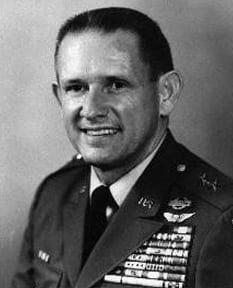
Labels:
Chaplain Stubbe,
Khe Sanh,
Vietnam War,
Warrior Chaplain
Wednesday, December 20, 2017
This Immigrant Gets It!
This is old, but certainly worth repeating, especially in light of NFL Football players refusing to stand for the National Anthem and other bottom feeders burning the U.S. Flag and demanding open borders. On Saturday, July 24th, 2010 the town of Prescott Valley, AZ, hosted a Freedom Rally. Quang Nguyen was asked to speak on his experience of coming to America and what it means. He spoke the following in dedication to all Vietnam Veterans. Thought you might enjoy hearing what he had to say:
Start Quote:
35 years ago, if you were to tell me that I am going to stand up here speaking to a couple thousand patriots, in English, I'd laugh at you. Man, every morning I wake up thanking God for putting me and my family in the greatest country on earth. I just want you all to know that the American dream does exist and I am living the American dream. I was asked to speak to you about my experience as a first generation Vietnamese-American, but I'd rather speak to you as an American.
If you hadn’t noticed, I am not white and I feel pretty comfortable with my people. I am a proud U.S citizen and here is my proof It took me 8 years to get it, waiting in endless lines, but I got it, and I am very proud of it.
I still remember the images of the Tet offensive in 1968, I was six years old. Now you might want to question how a 6-year-old boy could remember anything. Trust me, those images can never be erased. I can't even imagine what it was like for young American soldiers, 10,000 miles away from home, fighting on my behalf.
35 years ago, I left South Vietnam for political asylum. The war had ended At the age of 13, I left with the understanding that I may or may not ever get to see my siblings or parents again. I was one of the first lucky 100,000 Vietnamese allowed to come to the U.S. Somehow, my family and I were reunited 5 months later, amazingly, in California. It was a miracle from God.
If you haven't heard lately that this is the greatest country on earth, I am telling you that right now. It was the freedom and the opportunities presented to me that put me here with all of you tonight. I also remember the barriers that I had to overcome every step of the way. My high school counselor told me that I cannot make it to college due to my poor communication skills. I proved him wrong. I finished college. You see, all you have to do is to give this little boy an opportunity and encourage him to take and run with it. Well, I took the opportunity and here I am.
This person standing tonight in front of you could not exist under a socialist/communist environment. By the way, if you think socialism is the way to go, I am sure many people here will chip in to get you a one-way ticket out of here. And if you didn't know, the only difference between socialism and communism is an AK-47 aimed at your head. That was my experience.
In 1982, I stood with a thousand new immigrants, reciting the Pledge of Allegiance and listening to the National Anthem for the first time as an American. To this day, I can't remember anything sweeter and more patriotic than that moment in my life.
Fast forwarding, somehow I finished high school, finished college, and like any other goofball 21 year old kid, I was having a great time with my life I had a nice job and a nice apartment in Southern California. In some way and somehow, I had forgotten how I got here and why I was here.
One day I was at a gas station, I saw a veteran pumping gas on the other side of the island. I don't know what made me do it, but I walked over and asked if he had served in Vietnam. He smiled and said yes. I shook and held his hand. This grown man's eyes began to well up. I walked away as fast as I could and at that very moment, I was emotionally rocked. This was a profound moment in my life. I knew something had to change in my life. It was time for me to learn how to be a good citizen. It was time for me to give back.
You see, America is not just a place on the map, it isn't just a physical location. It is an ideal, a concept. And if you are an American, you must understand the concept, you must accept this concept, and most importantly, you have to fight and defend this concept This is about Freedom and not free stuff. And that is why I am standing up here.
Brothers and sisters, to be a real American, the very least you must do is to learn English and understand it well. In my humble opinion, you cannot be a faithful patriotic citizen if you can't speak the language of the country you live in. Take this document of 46 pages - last I looked on the Internet, there wasn't a Vietnamese translation of the U.S. Constitution. It took me a long time to get to the point of being able to converse and until this day, I still struggle to come up with the right words. It's not easy, but if it's too easy, it's not worth doing.
Before I knew this 46-page document, I learned of the 500,000 Americans who fought for this little boy. I learned of the 58,000 names inscribed on the black wall at the Vietnam Memorial. You are my heroes. You are my founders.
At this time, I would like to ask all the Vietnam veterans to please stand. I thank you for my life. I thank you for your sacrifices, and I thank you for giving me the freedom and liberty I have today. I now ask all veterans, firefighters, and police officers, to please stand. On behalf of all first generation immigrants, I thank you for your services and may God bless you all.
Quang Nguyen
Creative Director/Founder
Caddis Advertising, LLC
"God Bless America"
“One Flag, One Language, One Nation Under God”
Start Quote:
35 years ago, if you were to tell me that I am going to stand up here speaking to a couple thousand patriots, in English, I'd laugh at you. Man, every morning I wake up thanking God for putting me and my family in the greatest country on earth. I just want you all to know that the American dream does exist and I am living the American dream. I was asked to speak to you about my experience as a first generation Vietnamese-American, but I'd rather speak to you as an American.
If you hadn’t noticed, I am not white and I feel pretty comfortable with my people. I am a proud U.S citizen and here is my proof It took me 8 years to get it, waiting in endless lines, but I got it, and I am very proud of it.
I still remember the images of the Tet offensive in 1968, I was six years old. Now you might want to question how a 6-year-old boy could remember anything. Trust me, those images can never be erased. I can't even imagine what it was like for young American soldiers, 10,000 miles away from home, fighting on my behalf.
35 years ago, I left South Vietnam for political asylum. The war had ended At the age of 13, I left with the understanding that I may or may not ever get to see my siblings or parents again. I was one of the first lucky 100,000 Vietnamese allowed to come to the U.S. Somehow, my family and I were reunited 5 months later, amazingly, in California. It was a miracle from God.
If you haven't heard lately that this is the greatest country on earth, I am telling you that right now. It was the freedom and the opportunities presented to me that put me here with all of you tonight. I also remember the barriers that I had to overcome every step of the way. My high school counselor told me that I cannot make it to college due to my poor communication skills. I proved him wrong. I finished college. You see, all you have to do is to give this little boy an opportunity and encourage him to take and run with it. Well, I took the opportunity and here I am.
This person standing tonight in front of you could not exist under a socialist/communist environment. By the way, if you think socialism is the way to go, I am sure many people here will chip in to get you a one-way ticket out of here. And if you didn't know, the only difference between socialism and communism is an AK-47 aimed at your head. That was my experience.
In 1982, I stood with a thousand new immigrants, reciting the Pledge of Allegiance and listening to the National Anthem for the first time as an American. To this day, I can't remember anything sweeter and more patriotic than that moment in my life.
Fast forwarding, somehow I finished high school, finished college, and like any other goofball 21 year old kid, I was having a great time with my life I had a nice job and a nice apartment in Southern California. In some way and somehow, I had forgotten how I got here and why I was here.
One day I was at a gas station, I saw a veteran pumping gas on the other side of the island. I don't know what made me do it, but I walked over and asked if he had served in Vietnam. He smiled and said yes. I shook and held his hand. This grown man's eyes began to well up. I walked away as fast as I could and at that very moment, I was emotionally rocked. This was a profound moment in my life. I knew something had to change in my life. It was time for me to learn how to be a good citizen. It was time for me to give back.
You see, America is not just a place on the map, it isn't just a physical location. It is an ideal, a concept. And if you are an American, you must understand the concept, you must accept this concept, and most importantly, you have to fight and defend this concept This is about Freedom and not free stuff. And that is why I am standing up here.
Brothers and sisters, to be a real American, the very least you must do is to learn English and understand it well. In my humble opinion, you cannot be a faithful patriotic citizen if you can't speak the language of the country you live in. Take this document of 46 pages - last I looked on the Internet, there wasn't a Vietnamese translation of the U.S. Constitution. It took me a long time to get to the point of being able to converse and until this day, I still struggle to come up with the right words. It's not easy, but if it's too easy, it's not worth doing.
Before I knew this 46-page document, I learned of the 500,000 Americans who fought for this little boy. I learned of the 58,000 names inscribed on the black wall at the Vietnam Memorial. You are my heroes. You are my founders.
At this time, I would like to ask all the Vietnam veterans to please stand. I thank you for my life. I thank you for your sacrifices, and I thank you for giving me the freedom and liberty I have today. I now ask all veterans, firefighters, and police officers, to please stand. On behalf of all first generation immigrants, I thank you for your services and may God bless you all.
Quang Nguyen
Creative Director/Founder
Caddis Advertising, LLC
"God Bless America"
“One Flag, One Language, One Nation Under God”
Thursday, August 3, 2017
Vietnam vet James McCloughan, new Medal of Honor recipient
“They called me ‘Doc,’” Vietnam War veteran and Army medic James McCloughan said of his fellow soldiers. “You know … it’s probably one of the best titles I’ve ever had.” During the bloody, days-long battle of Hui Yon Hill in Vietnam, then Private First Class McCloughan risked his life on nine separate occasions to rescue and treat his wounded comrades despite his own shrapnel injuries from a rocket-propelled grenade. On Monday (31 July 2017), 48 years after the battle, McCloughan is scheduled receive the nation’s highest military honor — the Medal of Honor. McCloughan will be the first person to receive the honor from President Trump.
During the May 1969 battle, the 23-year-old McCloughan was serving in the 21st Infantry Regiment, Americal Division. The first morning of the battle May 13, 1969, McCloughan ran 100 meters through enemy fire across an open field to rescue a wounded soldier. Later that day, he leaped out of a trench to tend to two of his comrades. While McCloughan was examining them, he was hit with shrapnel and started bleeding extensively, but he managed to pull the two men back to the trench.
When medical evacuation helicopters arrived to take wounded soldiers off the field. McCloughan, one of two medics, refused to leave, ignoring orders from his platoon leader. “You’re going to need me,” McCloughan told him. The other medic, Dan Shea, died the next day, and McCloughan became the unit’s sole medic. He stayed with his company until the fight ended the morning of May 15, continuing to treat casualties while firing back at the enemy.
The Pentagon credited McCloughan with saving the lives of ten members of his company. Looking back decades later, McCloughan called the battle “the worst two days of my life.” A few months after the battle, McCloughan received orders to transfer to the main hospital in Chu Lai, Vietnam. Decades later, a visibly emotional McCloughan recalled the moment he spoke to his boss about the transfer. “I knew I was going to safety, but I was also leaving my men, and I was their medic,” McCloughan said. “They were glad I was getting out of the field, but they, they didn’t want to lose me as their medic.” For the last five months of his tour, McCloughan served as the liaison for Americal Division, and was discharged with the rank of Specialist 5.
McCloughan grew up in Bangor, Mich., where he became a varsity athlete in high school. He earned a bachelor’s degree in sociology from Olivet College, then taught and coached sports teams at South Haven Public Schools in Michigan — his dream job. But in August 1968, three months after he started teaching, he was drafted into the Army. Thanks to his sports background, McCloughan had skills in sports medicine, and he completed advanced training as a medic. On his last day of training at Fort Knox, Ken., the company commander deployed him to Vietnam.
“I’m thinking, ‘He must’ve been wrong. He’s gotta be wrong. I’m staying here,’ ” McCloughan remembered thinking after the announcement. He was so shocked that he spoke to the company commander, who told him that a higher-ranking soldier had wanted his position, which would have allowed him to stay in the U.S. “Sorry, Private,” the commander said. “You’re going to Vietnam.” McCloughan took the assignment in stride. “OK, I’m going to serve my country,” he thought. He went into the field March 1969. After his years as an athlete, McCloughan was in good physical shape in Vietnam, and the mental discipline he’d learned from sports helped him focus while he treated wounded soldiers even during the heat of battle.
After McCloughan returned home in 1970, he earned a master’s degree in counseling and psychology from Western Michigan University, then returned to South Haven High School, where he taught and coached until 2008. Former Defense Secretary Ash Carter recommended McCloughan for the Medal of Honor in 2016. But according to regulations, the Medal of Honor must be awarded within five years of the action. So three Michigan lawmakers — Sens. Debbie Stabenow and Gary Peters, and Rep. Fred Upton — introduced a bill to waive the five-year provision.
On May 25, 2017, McCloughan received a call from an Army captain informing him that he would receive the award in July. “I have the president of the United States on the other line,” the captain said. “I said, ‘Can my wife pick up another phone?’” McCloughan told the Army Times.
McCloughan has earned several other top Army honors for his service, including the Bronze Star Medal with “V” device and Oak Leaf Cluster, and the Purple Heart with Bronze Oak Leaf Cluster. To date, 2,449 Medals of Honor have been awarded to U.S. Army soldiers. Trump is scheduled to present the medal to McCloughan at a ceremony Monday afternoon.
Article from Yahoo News.
During the May 1969 battle, the 23-year-old McCloughan was serving in the 21st Infantry Regiment, Americal Division. The first morning of the battle May 13, 1969, McCloughan ran 100 meters through enemy fire across an open field to rescue a wounded soldier. Later that day, he leaped out of a trench to tend to two of his comrades. While McCloughan was examining them, he was hit with shrapnel and started bleeding extensively, but he managed to pull the two men back to the trench.
When medical evacuation helicopters arrived to take wounded soldiers off the field. McCloughan, one of two medics, refused to leave, ignoring orders from his platoon leader. “You’re going to need me,” McCloughan told him. The other medic, Dan Shea, died the next day, and McCloughan became the unit’s sole medic. He stayed with his company until the fight ended the morning of May 15, continuing to treat casualties while firing back at the enemy.
The Pentagon credited McCloughan with saving the lives of ten members of his company. Looking back decades later, McCloughan called the battle “the worst two days of my life.” A few months after the battle, McCloughan received orders to transfer to the main hospital in Chu Lai, Vietnam. Decades later, a visibly emotional McCloughan recalled the moment he spoke to his boss about the transfer. “I knew I was going to safety, but I was also leaving my men, and I was their medic,” McCloughan said. “They were glad I was getting out of the field, but they, they didn’t want to lose me as their medic.” For the last five months of his tour, McCloughan served as the liaison for Americal Division, and was discharged with the rank of Specialist 5.
McCloughan grew up in Bangor, Mich., where he became a varsity athlete in high school. He earned a bachelor’s degree in sociology from Olivet College, then taught and coached sports teams at South Haven Public Schools in Michigan — his dream job. But in August 1968, three months after he started teaching, he was drafted into the Army. Thanks to his sports background, McCloughan had skills in sports medicine, and he completed advanced training as a medic. On his last day of training at Fort Knox, Ken., the company commander deployed him to Vietnam.
“I’m thinking, ‘He must’ve been wrong. He’s gotta be wrong. I’m staying here,’ ” McCloughan remembered thinking after the announcement. He was so shocked that he spoke to the company commander, who told him that a higher-ranking soldier had wanted his position, which would have allowed him to stay in the U.S. “Sorry, Private,” the commander said. “You’re going to Vietnam.” McCloughan took the assignment in stride. “OK, I’m going to serve my country,” he thought. He went into the field March 1969. After his years as an athlete, McCloughan was in good physical shape in Vietnam, and the mental discipline he’d learned from sports helped him focus while he treated wounded soldiers even during the heat of battle.
After McCloughan returned home in 1970, he earned a master’s degree in counseling and psychology from Western Michigan University, then returned to South Haven High School, where he taught and coached until 2008. Former Defense Secretary Ash Carter recommended McCloughan for the Medal of Honor in 2016. But according to regulations, the Medal of Honor must be awarded within five years of the action. So three Michigan lawmakers — Sens. Debbie Stabenow and Gary Peters, and Rep. Fred Upton — introduced a bill to waive the five-year provision.
On May 25, 2017, McCloughan received a call from an Army captain informing him that he would receive the award in July. “I have the president of the United States on the other line,” the captain said. “I said, ‘Can my wife pick up another phone?’” McCloughan told the Army Times.
McCloughan has earned several other top Army honors for his service, including the Bronze Star Medal with “V” device and Oak Leaf Cluster, and the Purple Heart with Bronze Oak Leaf Cluster. To date, 2,449 Medals of Honor have been awarded to U.S. Army soldiers. Trump is scheduled to present the medal to McCloughan at a ceremony Monday afternoon.
Article from Yahoo News.
Wednesday, March 1, 2017
Master Sergeant (Retired) Hank Beck Receives Long Overdue DSC
On Monday, 27 February 2017, MSG (Retired) Hank Beck’s was awarded the Distinguished Service Cross (DSC) in an awards ceremony at the Pentagon, marking 50 years and two days after the event where then SP4 Beck, with the Recon Platoon of 2-327th Airborne Infantry of the 101st Airborne Division, earned this distinction. Picture at right: L-R: MAJ Denny Drewry from SFA Chapter 54 (Boston), Kevin Knapp, MSG (Ret) Hank Beck as he receives the Distinguished Service Cross, Ray Oden and Jim Hooker.
From an earlier article posted in the Orlando Sentinel, where Hank Beck was awarded the Silver Star:
On Feb. 25, 1967, Henry Beck and a handful of comrades in the Army's 101st Airborne Division dropped from a helicopter into the lethal jungle of South Vietnam. Beck, then 19, was part of a six-man reconnaissance team that quickly found itself under sniper fire. It was then that Beck took action that saved several lives. "He went to our right flank through a smoke grenade, went around to the sniper holes and killed both snipers," said Robert Karpuszka, a fellow soldier.
It has taken 45 years, but on Sunday, the government will officially declare Beck a hero. During a Veterans Day ceremony, the Deltona man will receive the Silver Star, one of the nation's highest military honors. U.S. Rep. Sandy Adams will present the award during a ceremony at VFW Post 8093 in DeBary. Beck, 64, said he's proud to receive the honor, but added: "This isn't only about me. It's about the guys I served with."
Karpuszka, of Pittsburgh, recalled that as soon as his unit landed in Binh Than province, "one of our point men was shot and killed." As another soldier was shot, Beck took the actions for which he would be honored. Then, according to the presidential commendation awarding him the Silver Star: "Upon returning to his team, he noticed an enemy machine gun crew that was engaging them. He again, without regard to his personal safety and at extreme personal risk, ran to the position and eliminated the threat with grenades and automatic rifle fire."
When the exhausted team returned to base, Beck heard some chatter that he might be recommended for a medal. But then the talk died away. "I never even thought about it," he said. He served two more combat tours and became a career soldier. After retiring from the military in 1985, he joined the Orange County Sheriff's Office, where he worked until 2007 as a deputy and watch commander.
In 2010, he reunited with some men from the 101st Airborne who said they were shocked that Beck had never been recognized for his valor. They suggested filing paperwork for one of the military's highest honors, Karpuszka said. "It took about a year for me to compile all the information" about the firefight, Beck said. Some of the information about the incident had only recently been declassified. "He saved lives that day," Karpuszka said. "Who knows what would've happened if he hadn't done what he did?"
Hank retired in 1985 as Team SGT for ODA-582, 5th Special Forces Group (Airborne) and, conveniently his Team Leader then, is our current Chief of Staff of the US Army (CSA) General Mark Milley. The CSA hosted and awarded the DSC to Hank in the midst of Hank’s family, the four survivors of the six man HAWK 14 (Hank’s VN squad in the 2-327), Hank’s CSM from 2-327, several members of the current HAWK 14 (of 2-237), and assundry SFA members.
Wednesday, October 5, 2016
Son Tay Raiders reunite at Fort Bragg
Special Forces soldiers who raided a North Vietnamese prison camp 46 years ago gathered Friday for what may be their final reunion.
Joe Murray, a retired master sergeant who organized the reunion, was one of the 56 Special Forces soldiers who were part of the historic, if disappointing, raid on the Son Tay POW camp in November 1970. The reunion is a way to renew old friendships, he said. "When you join Special Forces, you join a family," he said. "There's not an organization like it. You got a family of your own, but you adopt the soldiers under you."
The raid was celebrated as a tactical success despite the failure to rescue American captives. The mission, which began in the waning hours of Nov. 20, 1970, involved three teams of commandos assaulting the Son Tay prison, a short distance from the North Vietnamese capital of Hanoi.
More than 100 American military aircraft, including Air Force and Navy planes, flew in support of the operation, conducting bombing raids across North Vietnam at the same time as the attempted rescue mission. The raid itself began with the controlled crash of an HH-3E Jolly Green Giant helicopter into the prison compound early on Nov. 21, 1970.
The raiders successfully overtook the prison but did not find American prisoners. Officials would later say that it appeared the 40 to 60 Americans held on the site had been moved shortly before the raid. The mission was considered extremely dangerous because of its location deep behind enemy lines and the proximity of roughly 5,000 enemy soldiers within five miles of the prison. But the raiders suffered only minor injuries.
Despite coming home empty-handed, the men were praised at home, with several honored at the White House and others returning to a hero's welcome at Fort Bragg. Nearly all of the soldiers involved in the Son Tay Raid were based at Fort Bragg.
Families of the soldiers thought they were on a training exercise, officials would tell the Observer in the days following the raid. But in fact, the men were rehearsing the raid at a replica of the prison. Murray was a 26-year-old sergeant first class when he received the orders for the mission. "That's what we trained for," he said. "You have one time in your career you get a chance to do something that's really important."
His responsibility was to secure the outside of the prison camp so troops would be able to make a smooth exit. Murray said he remembered two guards had stealthily maneuvered behind him and shot him in the back of his right leg. He was in pain, but focused on completing the mission. "I could feel the blood running down my
The raid showcased the profound abilities of the Special Forces soldiers, he said. "I think we laid the groundwork for Joint Special Operations Command," he said. "Our raid is the start of building Special Forces training today."
Article from the Fayetteville Observer
Joe Murray, a retired master sergeant who organized the reunion, was one of the 56 Special Forces soldiers who were part of the historic, if disappointing, raid on the Son Tay POW camp in November 1970. The reunion is a way to renew old friendships, he said. "When you join Special Forces, you join a family," he said. "There's not an organization like it. You got a family of your own, but you adopt the soldiers under you."
The raid was celebrated as a tactical success despite the failure to rescue American captives. The mission, which began in the waning hours of Nov. 20, 1970, involved three teams of commandos assaulting the Son Tay prison, a short distance from the North Vietnamese capital of Hanoi.
More than 100 American military aircraft, including Air Force and Navy planes, flew in support of the operation, conducting bombing raids across North Vietnam at the same time as the attempted rescue mission. The raid itself began with the controlled crash of an HH-3E Jolly Green Giant helicopter into the prison compound early on Nov. 21, 1970.
The raiders successfully overtook the prison but did not find American prisoners. Officials would later say that it appeared the 40 to 60 Americans held on the site had been moved shortly before the raid. The mission was considered extremely dangerous because of its location deep behind enemy lines and the proximity of roughly 5,000 enemy soldiers within five miles of the prison. But the raiders suffered only minor injuries.
Despite coming home empty-handed, the men were praised at home, with several honored at the White House and others returning to a hero's welcome at Fort Bragg. Nearly all of the soldiers involved in the Son Tay Raid were based at Fort Bragg.
Families of the soldiers thought they were on a training exercise, officials would tell the Observer in the days following the raid. But in fact, the men were rehearsing the raid at a replica of the prison. Murray was a 26-year-old sergeant first class when he received the orders for the mission. "That's what we trained for," he said. "You have one time in your career you get a chance to do something that's really important."
His responsibility was to secure the outside of the prison camp so troops would be able to make a smooth exit. Murray said he remembered two guards had stealthily maneuvered behind him and shot him in the back of his right leg. He was in pain, but focused on completing the mission. "I could feel the blood running down my
The raid showcased the profound abilities of the Special Forces soldiers, he said. "I think we laid the groundwork for Joint Special Operations Command," he said. "Our raid is the start of building Special Forces training today."
Article from the Fayetteville Observer
Monday, August 1, 2016
Secrets, Denial, and, Decades Later, a Medal of Honor for a Vietnam Green Beret Medic
Unofficially, in the jungles of Laos in 1970, hundreds of North Vietnamese troops closed in on a small team of United States Army commandos. Unofficially, as men were shot down, a medic sprinted through a hail of bullets to help, hefting a man over his shoulder as he fired back with one hand. Unofficially, even when bloodied by a rocket, the medic kept going, not sleeping for days as he cared for 51 wounded soldiers.
Officially, though, American troops were not in Laos. So officially, nothing happened. The medic, Sgt. Gary Rose, was part of the secret Studies and Observations Group, an elite division of Special Forces. After the assault, the group recommended him for the military’s highest award, the Medal of Honor. But at the time, President Richard M. Nixon was denying that American troops were even in Laos. The nomination was shelved, an example of what veterans of the group say was a pattern of medals being denied or downgraded to hide their classified exploits.
This summer that decision is poised to be reversed. After more than a decade of lobbying, Congress authorized the medal for Sergeant Rose, who now lives in Huntsville. His will be the first Medal of Honor to expressly acknowledge the heroics of a soldier on the ground in the so-called Secret War in Laos.
In the past, medal citations for the unit listed men only as “deep in enemy territory,” said Neil Thorne, a researcher and Army veteran who has drafted a number of medal applications in recent years for the group. “The Army still doesn’t want to admit it,” Mr. Thorne said. “Even to this day, I put in Laos in a citation, the Army takes it out. It’s almost a game, but it’s not really funny. Rose is unique in that they finally left in the truth.”
During the Vietnam War, Laos was neutral and off limits to foreign troops. But the North Vietnamese used the jungles on the border between Vietnam and Laos to funnel weapons along the Ho Chi Minh Trail. The United States secretly sent in Special Forces to disrupt the enemy while not arousing protest from allies or the American public.
Since then, veterans of the Studies and Observations Group, which had one of the highest kill rates and highest casualty rates in Vietnam, have worked to gain recognition for men like Sergeant Rose. “Because we were where we weren’t supposed to be, a lot of men never got what they deserved,” said Eugene McCarley, a retired lieutenant colonel who was the medic’s commander. “Rose is one of them. He was a damn good medic and the level of gallantry and disregard for his own safety that he showed — I’ve rarely seen anything like it.”
The group operated in Vietnam under the cover story that it was an academic unit evaluating strategy. In fact, its mission was to sow mayhem. Small teams tapped communication lines, sabotaged convoys, snatched captives and peppered enemy territory with fake documents, counterfeit money and exploding ammunition intended to confuse, demoralize and kill communist troops.
The Special Forces teams paired with indigenous mercenaries who opposed the North Vietnamese. They relied on stealth, many using weapons fitted with silencers. A few even carried hatchets and bows. “It was a deadly game,” said Fred Dye, a company commander. “A lot of times we got the hell shot out of us. Sometimes teams didn’t come back.” Mr. Dye was recommended for the nation’s third-highest military honor, the Silver Star. He never got it.
To hide American involvement, teams wore Asian uniforms with no rank and often carried foreign-made weapons. Even underwear and rations were from Asian countries. They called it “going in sterile.” “That’s part of the reason so many awards were never given,” said John L. Plaster, a retired major who was in the group and has written books about its deeds. “We couldn’t really say what was going on.” Mr. Plaster was also recommended for the Silver Star. He never got it.
On Sept. 11, 1970, the group launched one of its biggest missions of the war, Operation Tailwind. Helicopters dropped 136 men about 40 miles into Laos to “cause a huge ruckus,” Mr. Plaster said, and draw attention away from a C.I.A. operation to the north.
According to interviews and Army documents, North Vietnamese forces hit before the team even landed, piercing the helicopters with bullets. Three were shot before any boots hit the ground. When the choppers touched down, the team swept into the jungle to escape enemy fire. The lone medic was Sergeant Rose, a soft-spoken 22-year-old from Southern California wearing a floppy jungle hat and camouflage face paint that did not quite hide his nerves. It was his second real combat mission. He had been wounded on his first.
Over the next four days, the company blew up ammunition bunkers and set fire to a supply camp, chased by an ever-increasing enemy force. By the end of the operation, a third of the company was wounded. When a soldier was shot down in a clearing raked by machine guns, others yelled to stay down until the team could set up cover fire. But Sergeant Rose ran forward, firing as he went. He shielded the man to treat his wounds, then carried him to safety. “How or why Sgt. Rose was not killed in this action I’ll never know,” one platoon leader wrote in a statement at the time.
A few hours later a rocket-propelled grenade hit the command team, blowing the medic off his feet and punching shards of metal into his hand and foot. Ignoring his own wounds, he patched up the other men, stopping only later to fix his bloody boot.
That evening in the steaming forest, Sergeant Rose, already exhausted, dug long foxholes so the wounded could lie under cover. “All the night the enemy pounded us,” Mr. McCarley recalled. “Rose went from position to position, offering medical help and words of encouragement. I never saw him stop to eat, rest or treat his own wounds.” v Mr. McCarley was recommended for the nation’s second-highest military honor, the Distinguished Service Cross. He never received it.
By the third day, Sergeant Rose was all but out of morphine and bandages. He had rigged litters from bamboo for the worst off and tied the wrists of delirious men to other soldiers so they would not get left behind. By the fourth day, when helicopters came to extract the team, enemy troops were so close that American planes dropped tear gas on their own men to drive the enemy back. Sergeant Rose was one of the last on the last helicopter, firing as he hobbled aboard.
When they lifted clear of the trees, he slumped to the floor of the helicopter, his marathon mission complete. Then a bullet pierced the neck of a door gunner, and the medic was up again. Out of bandages, he stopped the bleeding with a spare piece of cloth. As he worked, enemy fire hit the engines. The crippled aircraft crashed on a riverbank, spitting out men as it rolled.
Sergeant Rose, bleeding from his head, crawled into the wreckage. “Fuel was leaking everywhere, that thing was ready to blow,” Dave Young, a sergeant in the company, said in an interview. “Rose went back in repeatedly until everyone was out.”
Few details of Sergeant Rose’s actions were ever made public. When his name was submitted for the Medal of Honor in 1970, Adm. John S. McCain, the father of Senator John McCain and commander of all forces in the Vietnam theater, turned it down. He was awarded the Distinguished Service Cross in 1971.
Operation Tailwind stayed secret until 1998, when CNN and Time magazine erroneously reported that the mission’s aim had been to kill American defectors, and that the team had massacred hundreds of villagers while pilots dropped nerve gas. Tailwind veterans united in fierce protest, then began pressing for recognition of men like Sergeant Rose. They spent years submitting applications and sworn statements. Now the sergeant’s medal just awaits the signature of the president.
A 68-year-old grandfather, the former medic lives in a tidy one-story brick house, and spends much of his time volunteering with poor and disabled people. On a recent morning, as he gave a tour of his church, he was more eager to talk about the congregation’s Tootsie Roll fund-raiser than about his role in a top secret commando raid. “I just try to go through life doing as much good as I can,” he said with a shrug. Over the decades, he has rarely thought about Operation Tailwind, he said, and is a bit embarrassed about the Medal of Honor.
“I didn’t do anything heroic,” he said. “I was just doing my job like everyone else.” “It’s all a blur,” he continued. “I was oblivious. I was just so focused on the wounded that I didn’t see the machine guns.” He paused, then added: “I don’t want to make it sound like I’m brave. The trembling, the throwing up, the fear, that always happened, but only after. In the moment, I was just concentrating on what I had to do. I didn’t want to let anyone down.”
Article from the New York Times, 30 July 2016
Officially, though, American troops were not in Laos. So officially, nothing happened. The medic, Sgt. Gary Rose, was part of the secret Studies and Observations Group, an elite division of Special Forces. After the assault, the group recommended him for the military’s highest award, the Medal of Honor. But at the time, President Richard M. Nixon was denying that American troops were even in Laos. The nomination was shelved, an example of what veterans of the group say was a pattern of medals being denied or downgraded to hide their classified exploits.
This summer that decision is poised to be reversed. After more than a decade of lobbying, Congress authorized the medal for Sergeant Rose, who now lives in Huntsville. His will be the first Medal of Honor to expressly acknowledge the heroics of a soldier on the ground in the so-called Secret War in Laos.
In the past, medal citations for the unit listed men only as “deep in enemy territory,” said Neil Thorne, a researcher and Army veteran who has drafted a number of medal applications in recent years for the group. “The Army still doesn’t want to admit it,” Mr. Thorne said. “Even to this day, I put in Laos in a citation, the Army takes it out. It’s almost a game, but it’s not really funny. Rose is unique in that they finally left in the truth.”
During the Vietnam War, Laos was neutral and off limits to foreign troops. But the North Vietnamese used the jungles on the border between Vietnam and Laos to funnel weapons along the Ho Chi Minh Trail. The United States secretly sent in Special Forces to disrupt the enemy while not arousing protest from allies or the American public.
Since then, veterans of the Studies and Observations Group, which had one of the highest kill rates and highest casualty rates in Vietnam, have worked to gain recognition for men like Sergeant Rose. “Because we were where we weren’t supposed to be, a lot of men never got what they deserved,” said Eugene McCarley, a retired lieutenant colonel who was the medic’s commander. “Rose is one of them. He was a damn good medic and the level of gallantry and disregard for his own safety that he showed — I’ve rarely seen anything like it.”
The group operated in Vietnam under the cover story that it was an academic unit evaluating strategy. In fact, its mission was to sow mayhem. Small teams tapped communication lines, sabotaged convoys, snatched captives and peppered enemy territory with fake documents, counterfeit money and exploding ammunition intended to confuse, demoralize and kill communist troops.
The Special Forces teams paired with indigenous mercenaries who opposed the North Vietnamese. They relied on stealth, many using weapons fitted with silencers. A few even carried hatchets and bows. “It was a deadly game,” said Fred Dye, a company commander. “A lot of times we got the hell shot out of us. Sometimes teams didn’t come back.” Mr. Dye was recommended for the nation’s third-highest military honor, the Silver Star. He never got it.
To hide American involvement, teams wore Asian uniforms with no rank and often carried foreign-made weapons. Even underwear and rations were from Asian countries. They called it “going in sterile.” “That’s part of the reason so many awards were never given,” said John L. Plaster, a retired major who was in the group and has written books about its deeds. “We couldn’t really say what was going on.” Mr. Plaster was also recommended for the Silver Star. He never got it.
On Sept. 11, 1970, the group launched one of its biggest missions of the war, Operation Tailwind. Helicopters dropped 136 men about 40 miles into Laos to “cause a huge ruckus,” Mr. Plaster said, and draw attention away from a C.I.A. operation to the north.
According to interviews and Army documents, North Vietnamese forces hit before the team even landed, piercing the helicopters with bullets. Three were shot before any boots hit the ground. When the choppers touched down, the team swept into the jungle to escape enemy fire. The lone medic was Sergeant Rose, a soft-spoken 22-year-old from Southern California wearing a floppy jungle hat and camouflage face paint that did not quite hide his nerves. It was his second real combat mission. He had been wounded on his first.
Over the next four days, the company blew up ammunition bunkers and set fire to a supply camp, chased by an ever-increasing enemy force. By the end of the operation, a third of the company was wounded. When a soldier was shot down in a clearing raked by machine guns, others yelled to stay down until the team could set up cover fire. But Sergeant Rose ran forward, firing as he went. He shielded the man to treat his wounds, then carried him to safety. “How or why Sgt. Rose was not killed in this action I’ll never know,” one platoon leader wrote in a statement at the time.
A few hours later a rocket-propelled grenade hit the command team, blowing the medic off his feet and punching shards of metal into his hand and foot. Ignoring his own wounds, he patched up the other men, stopping only later to fix his bloody boot.
That evening in the steaming forest, Sergeant Rose, already exhausted, dug long foxholes so the wounded could lie under cover. “All the night the enemy pounded us,” Mr. McCarley recalled. “Rose went from position to position, offering medical help and words of encouragement. I never saw him stop to eat, rest or treat his own wounds.” v Mr. McCarley was recommended for the nation’s second-highest military honor, the Distinguished Service Cross. He never received it.
By the third day, Sergeant Rose was all but out of morphine and bandages. He had rigged litters from bamboo for the worst off and tied the wrists of delirious men to other soldiers so they would not get left behind. By the fourth day, when helicopters came to extract the team, enemy troops were so close that American planes dropped tear gas on their own men to drive the enemy back. Sergeant Rose was one of the last on the last helicopter, firing as he hobbled aboard.
When they lifted clear of the trees, he slumped to the floor of the helicopter, his marathon mission complete. Then a bullet pierced the neck of a door gunner, and the medic was up again. Out of bandages, he stopped the bleeding with a spare piece of cloth. As he worked, enemy fire hit the engines. The crippled aircraft crashed on a riverbank, spitting out men as it rolled.
Sergeant Rose, bleeding from his head, crawled into the wreckage. “Fuel was leaking everywhere, that thing was ready to blow,” Dave Young, a sergeant in the company, said in an interview. “Rose went back in repeatedly until everyone was out.”
Few details of Sergeant Rose’s actions were ever made public. When his name was submitted for the Medal of Honor in 1970, Adm. John S. McCain, the father of Senator John McCain and commander of all forces in the Vietnam theater, turned it down. He was awarded the Distinguished Service Cross in 1971.
Operation Tailwind stayed secret until 1998, when CNN and Time magazine erroneously reported that the mission’s aim had been to kill American defectors, and that the team had massacred hundreds of villagers while pilots dropped nerve gas. Tailwind veterans united in fierce protest, then began pressing for recognition of men like Sergeant Rose. They spent years submitting applications and sworn statements. Now the sergeant’s medal just awaits the signature of the president.
A 68-year-old grandfather, the former medic lives in a tidy one-story brick house, and spends much of his time volunteering with poor and disabled people. On a recent morning, as he gave a tour of his church, he was more eager to talk about the congregation’s Tootsie Roll fund-raiser than about his role in a top secret commando raid. “I just try to go through life doing as much good as I can,” he said with a shrug. Over the decades, he has rarely thought about Operation Tailwind, he said, and is a bit embarrassed about the Medal of Honor.
“I didn’t do anything heroic,” he said. “I was just doing my job like everyone else.” “It’s all a blur,” he continued. “I was oblivious. I was just so focused on the wounded that I didn’t see the machine guns.” He paused, then added: “I don’t want to make it sound like I’m brave. The trembling, the throwing up, the fear, that always happened, but only after. In the moment, I was just concentrating on what I had to do. I didn’t want to let anyone down.”
Article from the New York Times, 30 July 2016
Tuesday, June 28, 2016
Heroic Huey pilot to receive Medal of Honor five decades later
The details of the heroism that will see Charles Kettles awarded the Medal of Honor at the White House come back clearly and quickly even five decades later. The White House announced Tuesday afternoon that Kettles would receive the award from President Obama on July 18.
Kettles, 86, recalls the events of May 15, 1967: flying his UH-1 helicopter time after time after time into dizzying, withering fire to save the lives of dozens of soldiers ambushed by North Vietnamese troops in the Song Tau Cau river valley; nursing the shot-up, overloaded bird out of harm’s way with the final eight soldiers who’d been mistakenly left behind.
“With complete disregard for his own safety …” the official narrative of that day reads. “Without gunship, artillery, or tactical aircraft support, the enemy concentrated all firepower on his lone aircraft … Without his courageous actions and superior flying skills, the last group of soldiers and his crew would never have made it off the battlefield.”
Kettles, born and bred and retired in Ypsilanti, Mich., remembers how he felt after he touched down nearly 50 years ago for the last time, finally safe. Unrattled and hungry. “I just walked away from the helicopter believing that’s what war is,” Kettles told USA TODAY. “It probably matched some of the movies I’d seen as a youngster. So be it. Let’s go have dinner."
Kettles’ actions were documented and saluted long ago. He was awarded the second-highest award for bravery, the Distinguished Service Cross. And that, he thought, was that. Kettles completed another tour in Vietnam, retired from the Army as a lieutenant colonel and opened an auto dealership with his brother.
That's where the story would end, if not for William Vollano, an amateur historian who was interviewing veterans for the Veterans History Project. Vollano's prodding led the Army to reopen Kettles’ case and determine that his actions merited the Medal of Honor. Coincidentally, the military is also reviewing the actions of hundreds more troops in the post-9/11 era to see if they, too, should receive upgrades of their service crosses and Silver Stars.
May 15, 1967
On that May morning in Vietnam, Maj. Kettles’ and several other helicopter pilots ferried about 80 soldiers from the 1st Brigade of the 101st Airborne Division to a landing zone near the Song Tra Cau River. The river, just eight or 10 feet above sea level, drifted past a 1,500-foot hill.
“Very steep, which set them up for an ambush,” Kettles recalls. “Which did happen.” Hundreds of North Vietnamese soldiers, dug into tunnels and bunkers, attacked the Americans with machine guns, mortars and recoilless rifles. “Two or three hours after they were inserted, they had been mauled over and the battalion commander called for reinforcements,” Kettles says.
Kettles volunteered to fly in reinforcements and to retrieve the wounded and dead. As they swooped in to land, the North Vietnamese focused their fire on the helicopters. Soldiers were killed before they could leap from the aircraft, according to the official account of the fight.
Air Force jets dropped napalm on the machine gun positions overlooking the landing zone, but it had little effect. The attack continued, riddling the helicopters with bullets. Kettles refused to leave, however, until the fresh troops and supplies had been dropped off and the dead and wounded crowded aboard to be flown out.
Kettles ran the gantlet again, bringing more reinforcements amid mortar and machine gun fire that seriously wounded his gunner and tore into his helicopter. The crew from another helicopter reported to Kettles that fuel was pouring from his aircraft. Kettles wobbled back to the base.
"Kettles, by himself, without any guns and any crew, went back by himself," said Roland Scheck, a crew member who had been injured on Kettles' first trip to the landing zone that day. "Immediately, all the pilots and copilots in the company decided, 'This is Medal of Honor material right there.'" "I don’t know if there's anyone who's gotten an Medal of Honor who deserved it more," he said. "There's no better candidate as far as I'm concerned."
The final run
At about 6 p.m., the infantry commander radioed for an immediate, emergency evacuation of 44 soldiers, including four from Kettles’ unit whose helicopter was destroyed at the river. Kettles volunteered to lead the flight of six evacuation helicopters, cobbled together from his and another unit.
“Chaotic,” Kettles says. “The troops simply went to the first helicopter available.” Just one soldier scrambled into his helicopter. Told that all were safe and accounted for, Kettles signaled it was time to return to base.
“The artillery shut down, the gunships went back,” Kettles said. “No reason for them to stay anymore. The Air Force shut down. We climbed out to about 1,400 feet, a 180-degree turn back toward base camp and the hospital.”
That’s when word reached Kettles that eight soldiers had been left behind.
“They had been down in the river bed in a last ditch defensive effort before the helicopters loaded,” Kettles said. “I assured the commander I would go back in and pick them up.”
Kettles took control of the helicopter from the co-pilot and plummeted toward the stranded soldiers.
The North Vietnamese trained all their fire on Kettles. As he landed, a mortar round shattered the windshields and damaged the tail and main rotor blade. The eight soldiers piled on board, raked by rifle and machine-gun fire. Jammed beyond capacity, the helicopter “fishtailed” several times before Kettles took the controls again from his co-pilot. The only way out, Kettles recalls, was to skip along the ground, gaining enough speed to get the helicopter in the air.
“If not we were going to go down the road like a two-and-a-half ton truck with a rotor blade on it,” Kettles says. After five or six tries, Kettles got off the ground. Just then, a second mortar round slammed into the tail. “That caused the thing to lurch forward,” he says. “I don’t know if that helped much. I still had a clean panel, that is, the emergency panel. There weren’t any lights. The helicopter was still doing what it was supposed to do even though it was, I guess, pretty badly (damaged). We got out of there.”
The Medal of Honor
Kettles acknowledges it was an extraordinary day, one that he thinks about but doesn’t dwell on. He and the other helicopter pilots and crew performed as they were trained, followed orders, completed their mission. Simple as that.
The Medal of Honor, he says, “belongs to them certainly as much as myself. I just happened to be the lead position where the decisions were mine, properly so.
“For them, unfortunately all they could do was follow. And they did. They did their jobs. They’re as deserving as I am certainly. That’s what it means to me.”
For dozens of soldiers, especially the last eight, Kettles' decision kept their names from being etched on the black granite wall of the Vietnam War memorial here in Washington with the 58,000 others who died in the war. “The eight who got out of there who aren’t on that wall,” Kettles says. “That’s what matters.”
Story from USA Today
Kettles, 86, recalls the events of May 15, 1967: flying his UH-1 helicopter time after time after time into dizzying, withering fire to save the lives of dozens of soldiers ambushed by North Vietnamese troops in the Song Tau Cau river valley; nursing the shot-up, overloaded bird out of harm’s way with the final eight soldiers who’d been mistakenly left behind.
“With complete disregard for his own safety …” the official narrative of that day reads. “Without gunship, artillery, or tactical aircraft support, the enemy concentrated all firepower on his lone aircraft … Without his courageous actions and superior flying skills, the last group of soldiers and his crew would never have made it off the battlefield.”
Kettles, born and bred and retired in Ypsilanti, Mich., remembers how he felt after he touched down nearly 50 years ago for the last time, finally safe. Unrattled and hungry. “I just walked away from the helicopter believing that’s what war is,” Kettles told USA TODAY. “It probably matched some of the movies I’d seen as a youngster. So be it. Let’s go have dinner."
Kettles’ actions were documented and saluted long ago. He was awarded the second-highest award for bravery, the Distinguished Service Cross. And that, he thought, was that. Kettles completed another tour in Vietnam, retired from the Army as a lieutenant colonel and opened an auto dealership with his brother.
That's where the story would end, if not for William Vollano, an amateur historian who was interviewing veterans for the Veterans History Project. Vollano's prodding led the Army to reopen Kettles’ case and determine that his actions merited the Medal of Honor. Coincidentally, the military is also reviewing the actions of hundreds more troops in the post-9/11 era to see if they, too, should receive upgrades of their service crosses and Silver Stars.
May 15, 1967
On that May morning in Vietnam, Maj. Kettles’ and several other helicopter pilots ferried about 80 soldiers from the 1st Brigade of the 101st Airborne Division to a landing zone near the Song Tra Cau River. The river, just eight or 10 feet above sea level, drifted past a 1,500-foot hill.
“Very steep, which set them up for an ambush,” Kettles recalls. “Which did happen.” Hundreds of North Vietnamese soldiers, dug into tunnels and bunkers, attacked the Americans with machine guns, mortars and recoilless rifles. “Two or three hours after they were inserted, they had been mauled over and the battalion commander called for reinforcements,” Kettles says.
Kettles volunteered to fly in reinforcements and to retrieve the wounded and dead. As they swooped in to land, the North Vietnamese focused their fire on the helicopters. Soldiers were killed before they could leap from the aircraft, according to the official account of the fight.
Air Force jets dropped napalm on the machine gun positions overlooking the landing zone, but it had little effect. The attack continued, riddling the helicopters with bullets. Kettles refused to leave, however, until the fresh troops and supplies had been dropped off and the dead and wounded crowded aboard to be flown out.
Kettles ran the gantlet again, bringing more reinforcements amid mortar and machine gun fire that seriously wounded his gunner and tore into his helicopter. The crew from another helicopter reported to Kettles that fuel was pouring from his aircraft. Kettles wobbled back to the base.
"Kettles, by himself, without any guns and any crew, went back by himself," said Roland Scheck, a crew member who had been injured on Kettles' first trip to the landing zone that day. "Immediately, all the pilots and copilots in the company decided, 'This is Medal of Honor material right there.'" "I don’t know if there's anyone who's gotten an Medal of Honor who deserved it more," he said. "There's no better candidate as far as I'm concerned."
The final run
At about 6 p.m., the infantry commander radioed for an immediate, emergency evacuation of 44 soldiers, including four from Kettles’ unit whose helicopter was destroyed at the river. Kettles volunteered to lead the flight of six evacuation helicopters, cobbled together from his and another unit.
“Chaotic,” Kettles says. “The troops simply went to the first helicopter available.” Just one soldier scrambled into his helicopter. Told that all were safe and accounted for, Kettles signaled it was time to return to base.
“The artillery shut down, the gunships went back,” Kettles said. “No reason for them to stay anymore. The Air Force shut down. We climbed out to about 1,400 feet, a 180-degree turn back toward base camp and the hospital.”
That’s when word reached Kettles that eight soldiers had been left behind.
“They had been down in the river bed in a last ditch defensive effort before the helicopters loaded,” Kettles said. “I assured the commander I would go back in and pick them up.”
Kettles took control of the helicopter from the co-pilot and plummeted toward the stranded soldiers.
The North Vietnamese trained all their fire on Kettles. As he landed, a mortar round shattered the windshields and damaged the tail and main rotor blade. The eight soldiers piled on board, raked by rifle and machine-gun fire. Jammed beyond capacity, the helicopter “fishtailed” several times before Kettles took the controls again from his co-pilot. The only way out, Kettles recalls, was to skip along the ground, gaining enough speed to get the helicopter in the air.
“If not we were going to go down the road like a two-and-a-half ton truck with a rotor blade on it,” Kettles says. After five or six tries, Kettles got off the ground. Just then, a second mortar round slammed into the tail. “That caused the thing to lurch forward,” he says. “I don’t know if that helped much. I still had a clean panel, that is, the emergency panel. There weren’t any lights. The helicopter was still doing what it was supposed to do even though it was, I guess, pretty badly (damaged). We got out of there.”
The Medal of Honor
Kettles acknowledges it was an extraordinary day, one that he thinks about but doesn’t dwell on. He and the other helicopter pilots and crew performed as they were trained, followed orders, completed their mission. Simple as that.
The Medal of Honor, he says, “belongs to them certainly as much as myself. I just happened to be the lead position where the decisions were mine, properly so.
“For them, unfortunately all they could do was follow. And they did. They did their jobs. They’re as deserving as I am certainly. That’s what it means to me.”
For dozens of soldiers, especially the last eight, Kettles' decision kept their names from being etched on the black granite wall of the Vietnam War memorial here in Washington with the 58,000 others who died in the war. “The eight who got out of there who aren’t on that wall,” Kettles says. “That’s what matters.”
Story from USA Today
Thursday, March 31, 2016
Billy Waugh - Special Forces Living Legend
This 85-year-old Special Forces legend has one of the most badass military resumes we’ve ever seen. While other senior citizens were enjoying a quiet life in retirement, 71-year-old Billy Waugh was hunting for Osama bin Laden in Afghanistan and blowing Taliban fighters to smithereens.
As a member of a CIA team sent in shortly after the 9/11 attacks, Waugh battled militants at Tora Bora and helped bring about the collapse of the Taliban. It seemed a pretty good ending to a career that featured combat in Korea and Vietnam, surveilling Libya’s military, tracking international terrorists, and God-only-knows-what-else for the CIA.
Waugh was born in 1929 in Texas and enlisted in the U.S. Army in 1948. After completing airborne school he was assigned to the 82nd Airborne at Fort Bragg, North Carolina. But he was eager to get into combat, and he reenlisted in 1951 so he could get to the 187th Airborne Regimental Combat Team in Korea. Then the Korean war ended, and his career veered off into “black ops” territory once he joined the Special Forces in 1954.
His life after that reads like the most badass resume we’ve ever seen: Five tours with Special Forces “A” teams in Vietnam and Laos where he was wounded multiple times, working for the CIA’s Special Activities Division in Libya, preventing the Russians from stealing classified missile secrets on the Kwajalein Atoll, and helping to hunt down the infamous terrorist Carlos “The Jackal,” which he later detailed in a book.
In that same book, “Hunting The Jackal,” Waugh also writes of the time he survived a major North Vietnamese Army attack in Vietnam, where he was shot in the head. “I took another bullet, this time across the right side of my forehead. I don’t know for sure, but I believe the bullet ricocheted off the bamboo before striking me. It sliced in and out of a two-inch section of my forehead, and it immediately started to bleed like an open faucet,” Waugh wrote. “It sounds like the punch line to a bad joke, but you know it’s a bad day when the best thing about it is getting shot in the head.”
The bullet had knocked him unconscious, and the NVA soldiers who later inspected his body thought he was dead. Though the enemy soldiers had taken his gear, clothing, and Rolex watch, he was left alone where he was hit, and his comrades later landed on a helicopter and saved his life.
“If you were going up there, you were either going to die or get shot all to hell,” Waugh told The Miami New-Times of his team’s work in Vietnam. “Everyone in the outfit was wounded once, twice, three times.”
He officially retired from the Army at the rank of Sergeant Major in 1972, though he had been working for the CIA since 1961 and would continue to work for the agency over the years as an operative or contractor. His military awards include the Silver Star, four Bronze Stars, four Army Commendation medals, and eight Purple Hearts for wounds in combat.
Waugh has often lived in the shadows at the forefront of America’s wars. Long before Osama bin Laden would be known as U.S. public enemy number one, he was tracking the terror mastermind’s every move in Sudan and put forth several plans to take him out. “I was within 30 meters of him,” Waugh told Air Force journalist Nick Stubbs in 2011. “I could have killed him with a rock.”
In between his time in uniform and paramilitary garb, Waugh earned a Bachelor’s and Masters Degree, and he still lectures young soldiers on the art of surveillance, according to Dangerous Magazine. But it’s apparently not all PowerPoint and boredom for the now-85-year-old.
Waugh, who now lives in northwest Florida, still lists himself as a “contractor for my present outfit” on his website. So the next time something bad happens to America’s enemies, he may be part of the reason why.
“If the mind is good and the body is able, you keep on going if you enjoy it,” Waugh told Stubbs. “Once you get used to that [life of adventure], you’re not about to quit. How could you want to do anything else?”
Article from We Are The Mighty
Visit Billy's website here, where you can order his book "Hunting the Kackal" and the book he wrote about Isaac Camacho, first man to escape a POW camp in Vietnam.
As a member of a CIA team sent in shortly after the 9/11 attacks, Waugh battled militants at Tora Bora and helped bring about the collapse of the Taliban. It seemed a pretty good ending to a career that featured combat in Korea and Vietnam, surveilling Libya’s military, tracking international terrorists, and God-only-knows-what-else for the CIA.
Waugh was born in 1929 in Texas and enlisted in the U.S. Army in 1948. After completing airborne school he was assigned to the 82nd Airborne at Fort Bragg, North Carolina. But he was eager to get into combat, and he reenlisted in 1951 so he could get to the 187th Airborne Regimental Combat Team in Korea. Then the Korean war ended, and his career veered off into “black ops” territory once he joined the Special Forces in 1954.
His life after that reads like the most badass resume we’ve ever seen: Five tours with Special Forces “A” teams in Vietnam and Laos where he was wounded multiple times, working for the CIA’s Special Activities Division in Libya, preventing the Russians from stealing classified missile secrets on the Kwajalein Atoll, and helping to hunt down the infamous terrorist Carlos “The Jackal,” which he later detailed in a book.
In that same book, “Hunting The Jackal,” Waugh also writes of the time he survived a major North Vietnamese Army attack in Vietnam, where he was shot in the head. “I took another bullet, this time across the right side of my forehead. I don’t know for sure, but I believe the bullet ricocheted off the bamboo before striking me. It sliced in and out of a two-inch section of my forehead, and it immediately started to bleed like an open faucet,” Waugh wrote. “It sounds like the punch line to a bad joke, but you know it’s a bad day when the best thing about it is getting shot in the head.”
The bullet had knocked him unconscious, and the NVA soldiers who later inspected his body thought he was dead. Though the enemy soldiers had taken his gear, clothing, and Rolex watch, he was left alone where he was hit, and his comrades later landed on a helicopter and saved his life.
“If you were going up there, you were either going to die or get shot all to hell,” Waugh told The Miami New-Times of his team’s work in Vietnam. “Everyone in the outfit was wounded once, twice, three times.”
He officially retired from the Army at the rank of Sergeant Major in 1972, though he had been working for the CIA since 1961 and would continue to work for the agency over the years as an operative or contractor. His military awards include the Silver Star, four Bronze Stars, four Army Commendation medals, and eight Purple Hearts for wounds in combat.
Waugh has often lived in the shadows at the forefront of America’s wars. Long before Osama bin Laden would be known as U.S. public enemy number one, he was tracking the terror mastermind’s every move in Sudan and put forth several plans to take him out. “I was within 30 meters of him,” Waugh told Air Force journalist Nick Stubbs in 2011. “I could have killed him with a rock.”
In between his time in uniform and paramilitary garb, Waugh earned a Bachelor’s and Masters Degree, and he still lectures young soldiers on the art of surveillance, according to Dangerous Magazine. But it’s apparently not all PowerPoint and boredom for the now-85-year-old.
Waugh, who now lives in northwest Florida, still lists himself as a “contractor for my present outfit” on his website. So the next time something bad happens to America’s enemies, he may be part of the reason why.
“If the mind is good and the body is able, you keep on going if you enjoy it,” Waugh told Stubbs. “Once you get used to that [life of adventure], you’re not about to quit. How could you want to do anything else?”
Article from We Are The Mighty
Visit Billy's website here, where you can order his book "Hunting the Kackal" and the book he wrote about Isaac Camacho, first man to escape a POW camp in Vietnam.
Subscribe to:
Posts (Atom)


